Discover how Otto - a SaaS company offering banking software - uses product-led growth and AI-driven marketing to improve customer acquisition, retention, and expansion.
How Otto Scaled Smarter with Product-Led Growth and AI-Driven Insights?
Otto is a SaaS company offering banking software to small businesses and mid-market clients. With a hybrid go-to-market motion combining product-led growth (PLG) and sales-assisted expansion, Otto has successfully turned data-driven insights into sustainable growth.
Like many scaling SaaS companies, Otto faced challenges balancing acquisition costs, retention rates, and expansion opportunities. An AI-powered co-marketer, powered by Intempt, helped Otto unify data, predict user intent, and deliver personalized experiences.
The Challenge: Balancing CAC With Sustainable Growth
Otto's business model was solid, with a healthy MRR of $833. However, their biggest challenge was reducing Customer Acquisition Cost (CAC) and achieving faster CAC payback.
In The Beginning:
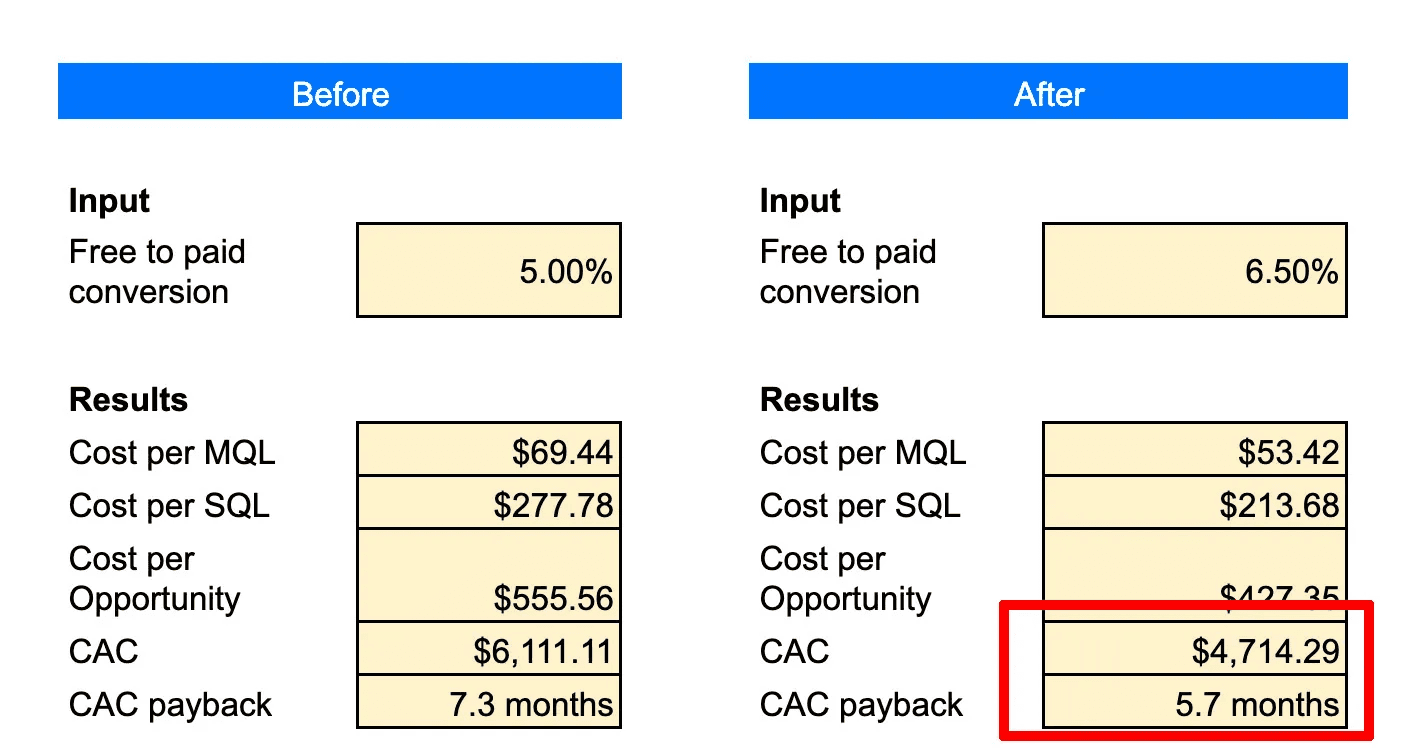
- CAC: ~$6,111 for a $10K deal
- CAC Payback: 7.3 months
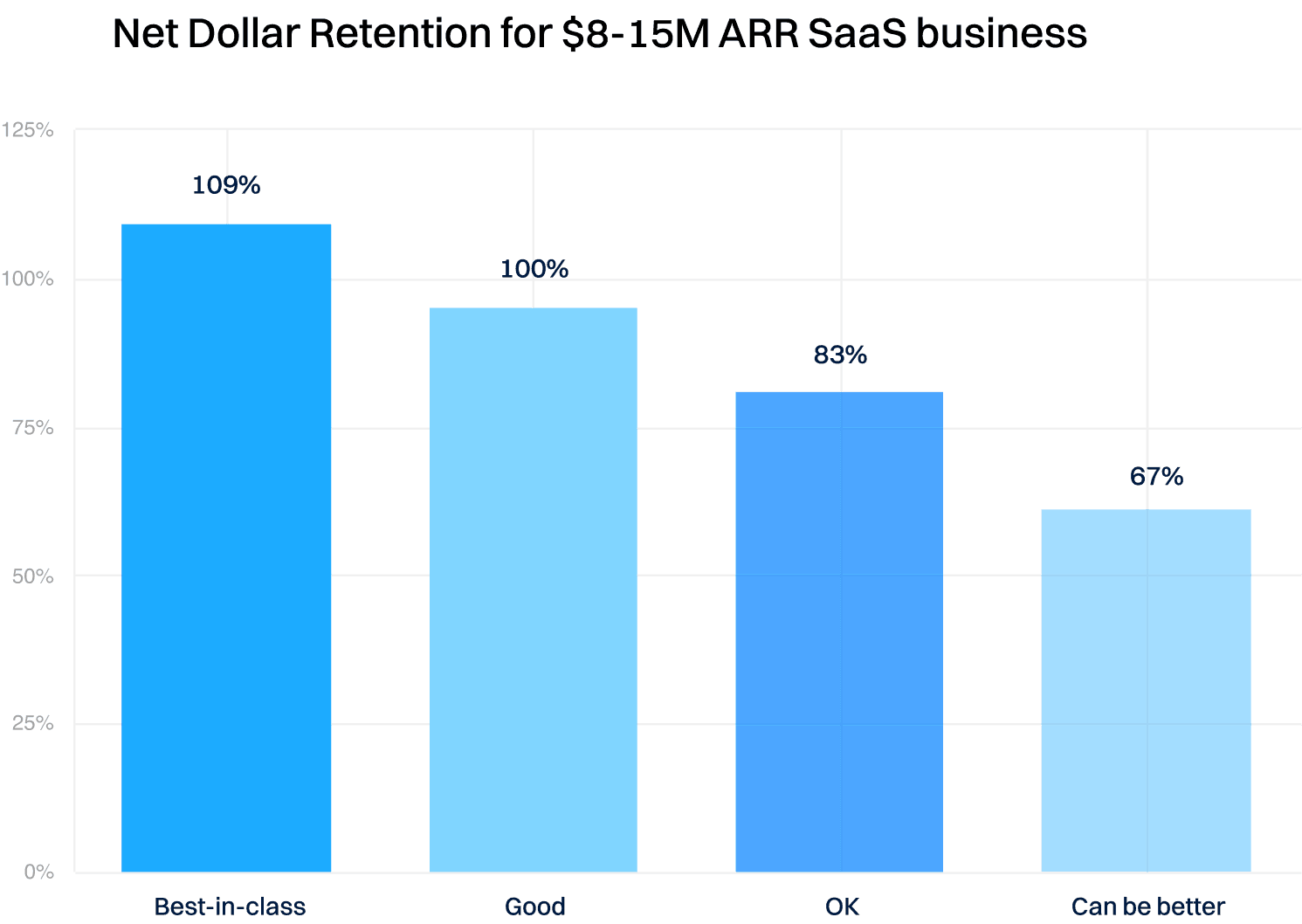
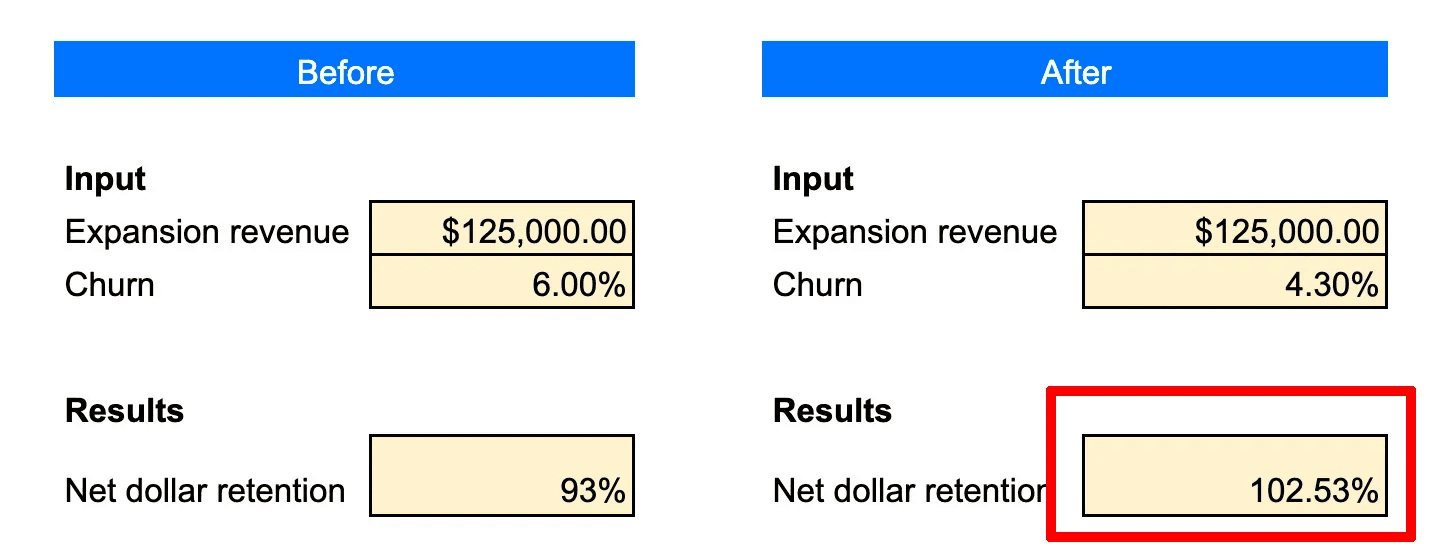
- Goal: 5–6 month payback and 100–110% Net Dollar Retention (NDR)
Conversion Metrics Before Optimization:
- MQL to SQL: 25%
- SQL to Opportunity: 50%
- Opportunity to Closed Won: 20%
Key Metrics and Revenue Fundamentals
- Initial ACV Target: $10K per year, equivalent to $833 per month (MRR).
- Sales Source: 20% sales-sourced, 80% marketing-sourced.
- Cost per MQL: $69
- CAC: ~$6,111 for a $10K deal; currently takes 7.3 months to recover.
The Approach: Creating a Unified Growth Engine
Otto realized that optimizing growth required more than isolated campaigns - it needed a unified system connecting data, marketing, and sales in real time.
That's where Intempt came in, not just as a tool but as an AI-powered growth methodology.
Acquisition
The primary goal: reduce CAC and shorten the payback period to 5 months.
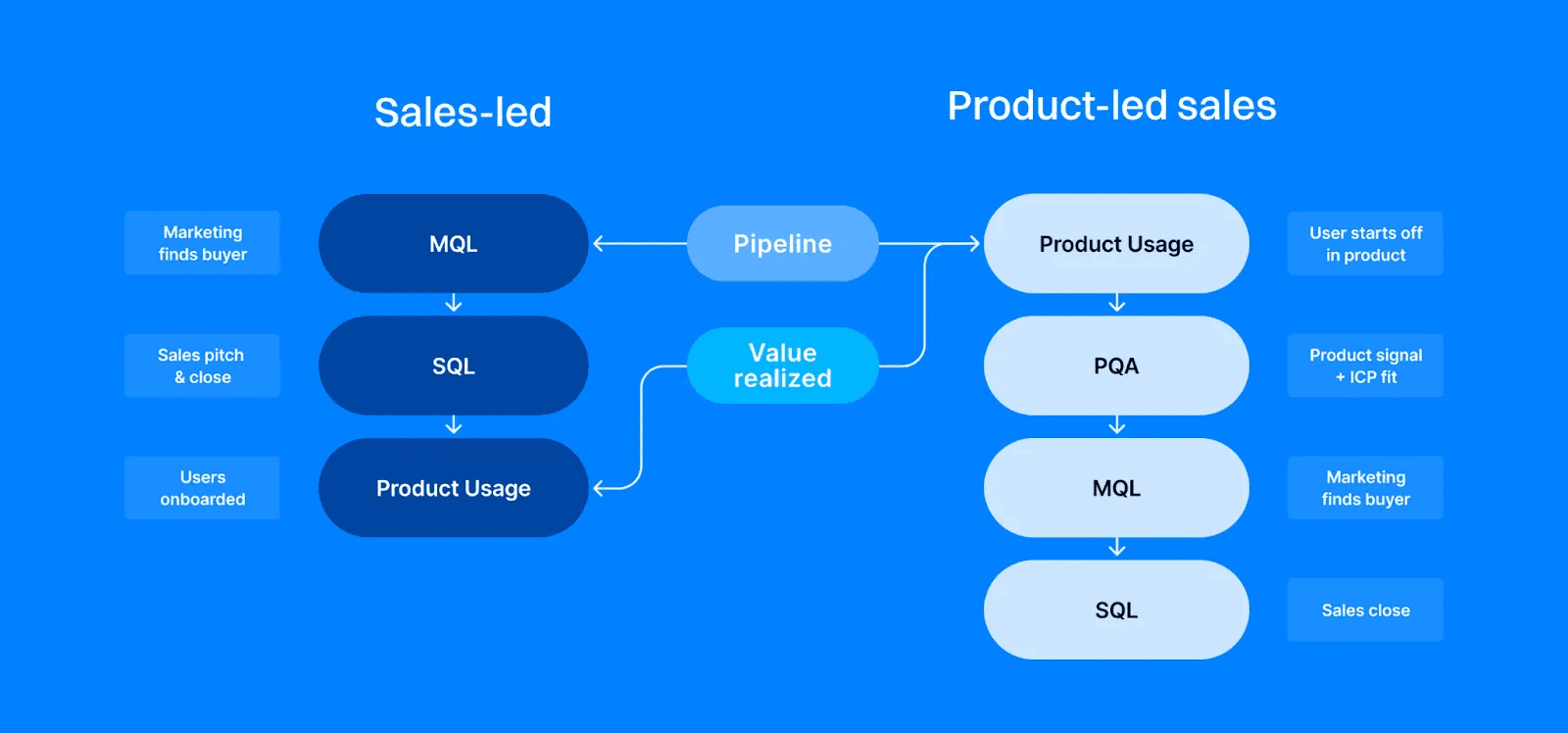
- Controlling costs across qualified leads (PQL, MQL, SQL).
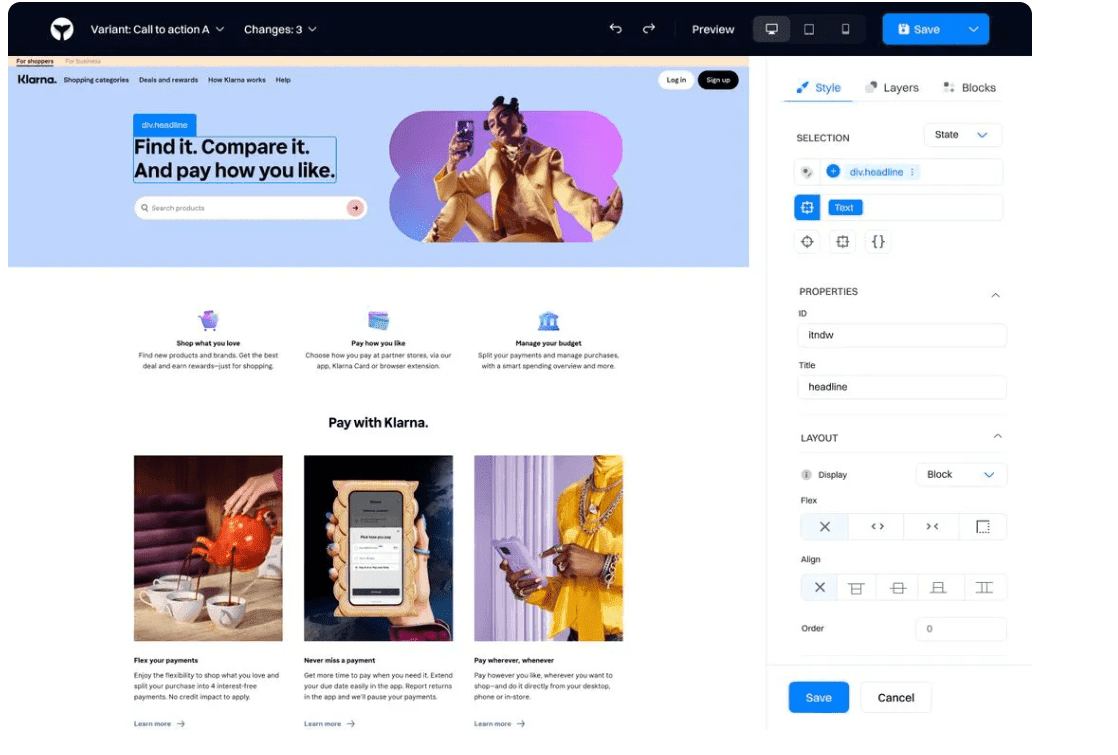
- Boosting free-to-paid conversions through A/B tests and personalized onboarding.
Retention & Monetization
- Net Dollar Retention: For every $1 of current MRR, aim to grow it to $1.10 or more.
- MRR Churn Tracking and Expansion Revenue Measurement.
Implementation: Inside Otto's Growth Flywheel
Step 1: Discover Audiences
Connect all customer data sources into a single view using Intempt's data integrations.
- Discover: Unify customer data from all channels.
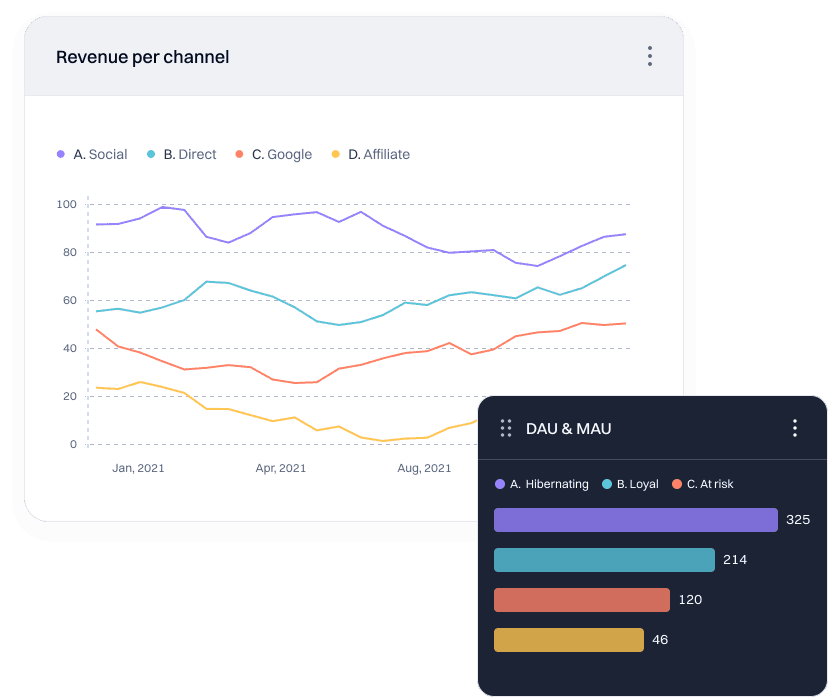
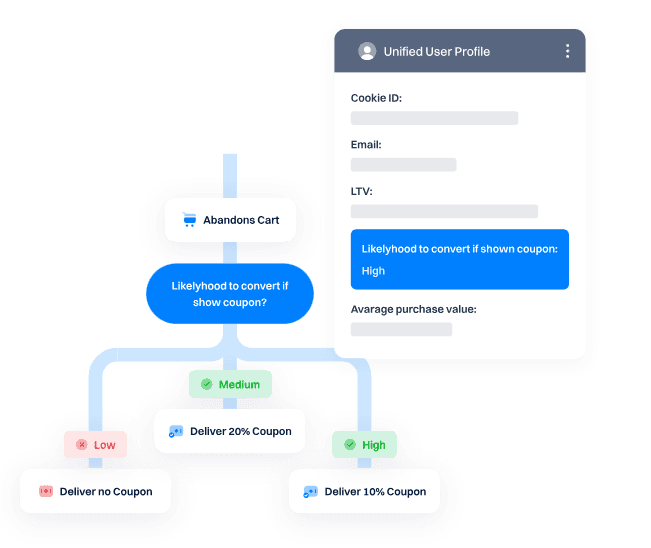
- Predict: Use machine learning to predict user intent in real-time.
Step 2: Engage Customers
- Personalization: Personalize interactions across web, mobile, and customer journeys.
- Engage: Set up automated triggers to engage customers when they show signs of inactivity.
Step 3: Optimize Experiences
- Experiments: Experiment with different approaches.
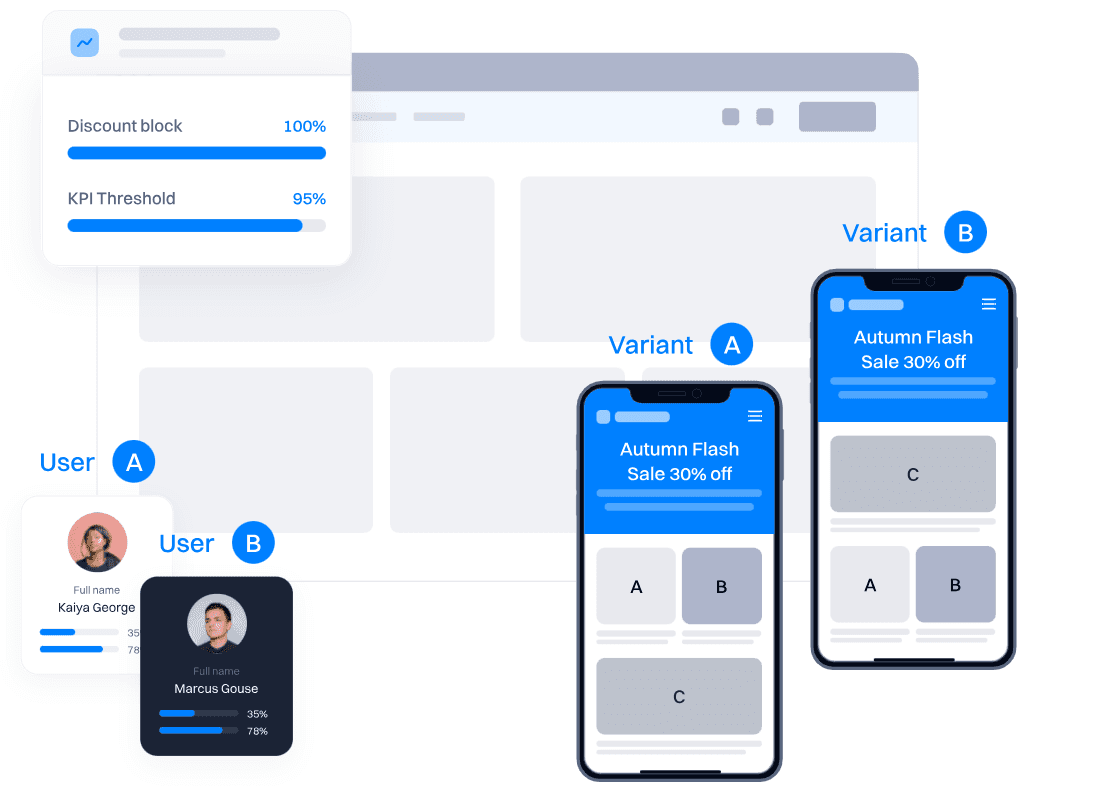
- Analytics: Use real-time data to refine and improve customer interactions.
Key Takeaways
- Focus on CAC Efficiency through targeted A/B tests and personalized onboarding.
- Prioritize Retention: Keep churn low while increasing expansion revenue.
- Adopt a Unified System: Tools like Intempt eliminate data silos.
- Experiment Relentlessly: Continuous testing turns insights into compounding gains.
TL;DR
Otto used a hybrid PLG + sales model. Their main challenge was reducing a 7.3-month CAC payback and improving NDR.
By adopting Intempt, Otto unified customer data and automated engagement across the funnel. CAC payback dropped below 6 months, and NDR rose above 105%.
Frequently asked questions. Answered.
CAC payback is the time (in months) it takes for a company to recoup its cost of acquiring a customer.

About the author
Somya Nayak
Growth Marketer
Somya is a product marketer focused on helping B2B and e-commerce teams get more from their marketing stack. She writes about personalization, analytics, and revenue-focused campaigns.
LinkedIn