This case study explains how a multi-category online store uses an AI-driven solution to lower customer acquisition costs, boost conversion rates, and increase customer lifetime value after the busy fall holiday season. Even when organic traffic and sales drop by as much as 60–70%, the right strategies can keep your store growing.
The Challenge: Post-Holiday Drop-Off
After the holiday rush, most e-commerce stores experience a sharp slowdown. Organic traffic and sales can decline by 60–70%, making it challenging to sustain growth without incurring significant losses.
Our multi-category online store faced high acquisition costs, lower conversion rates, and the need to turn one-time shoppers into repeat customers.
The Revenue Reality
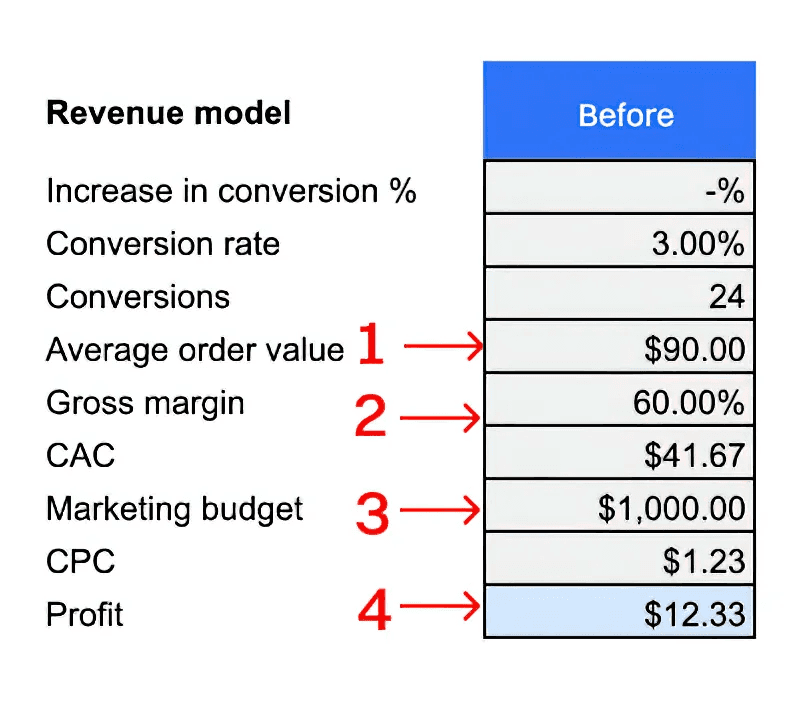
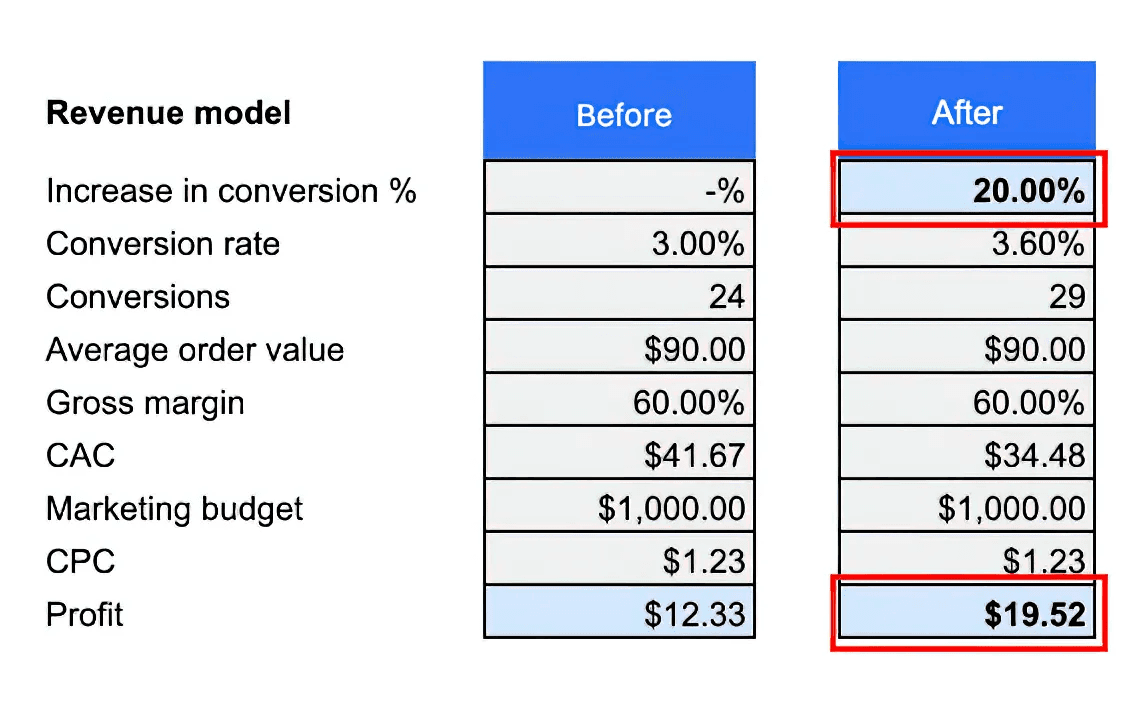
- Average Order Value (AOV): $90
- Gross Margin: 60% - after a cost of $36, there's $54 left from each order.
- Marketing Budget: $1,000
- Cost Per Click: $1.23
- Customer Acquisition Cost (CAC): ~$41.67
- Profit Runway per New Customer: ~$12.33 left as profit after acquisition cost.
What the Store Did Differently?
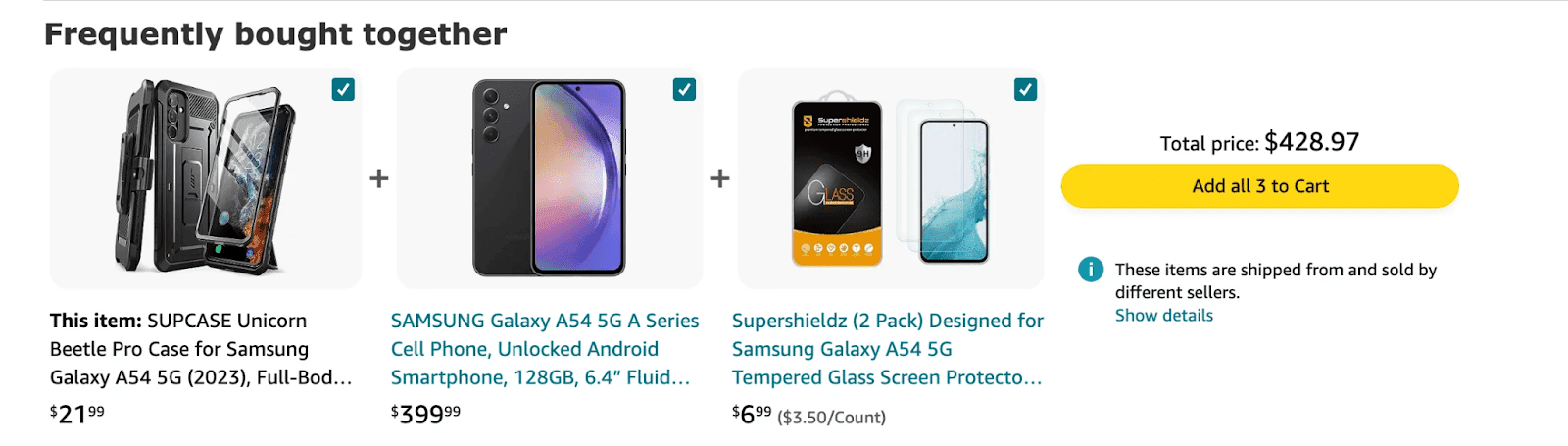
Smarter Cross & Up-Selling
Instead of random "frequently bought together" bundles, the team used AI to segment behavior-based recommendations. This lifted AOV by 12% within weeks.
Takeaway: Personalize offers using data signals, not assumptions.
Retargeting Ads
With the help of AI, showed ads to visitors who didn't convert the first time. With a standard conversion rate of about 3%, careful management of ad spend is critical.
Takeaway: Precision beats volume. Retarget where purchase intent is highest.
Increasing Conversion Rates
Personalization & Experimentation:
- Tailor the user experience through targeted messaging and A/B testing.
- A 20% improvement in conversion rate can increase profit per new customer from $12.33 to $19.52.
Takeaway: Test messaging before cutting prices.
Retention & Monetization
LTV/CAC Ratio: After the first purchase, LTV is $90 compared to CAC of $41.67 (ratio ~1:2). To achieve 1:3, encouraging a repeat purchase is essential.
Post-Purchase Strategies:
- Upselling: Offer complementary products after the initial sale.
- Personalized Offers: Engage with targeted offers that encourage repeat business.
Enter Intempt: The AI-Driven Solution
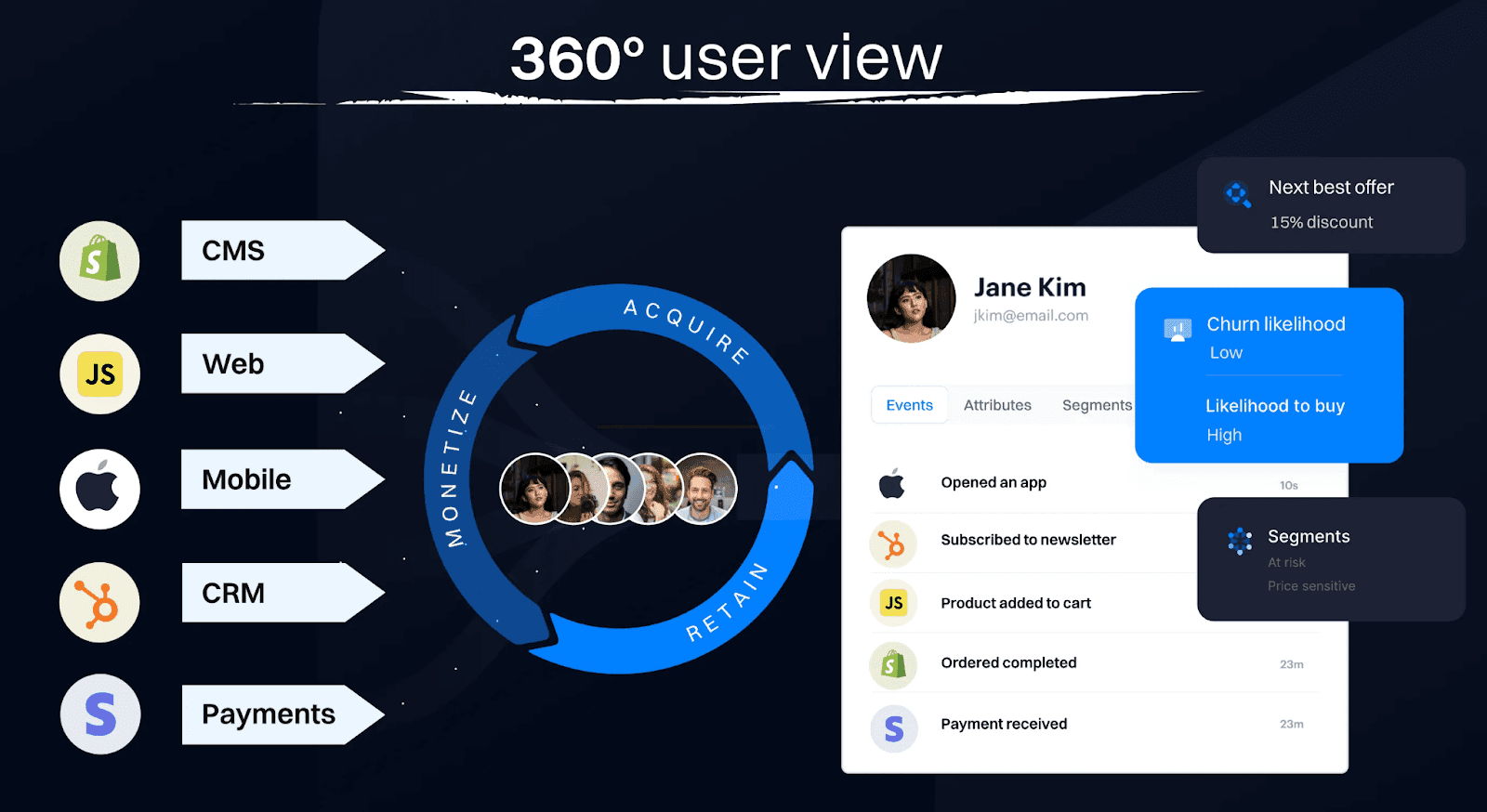
Intempt unified customer data, predicted buying intent, and automated personalization. Instead of managing separate tools, the brand managed its full lifecycle in a single unified system.
Data Integrations & Identity Resolution
Unified customer data from multiple sources to build complete profiles.
Timely Marketing Experiences
Automated behavior-triggered campaigns, delivering the right message at the exact moment users were most likely to engage.
Growth Methodology For Profit Scaling
Discover Audiences
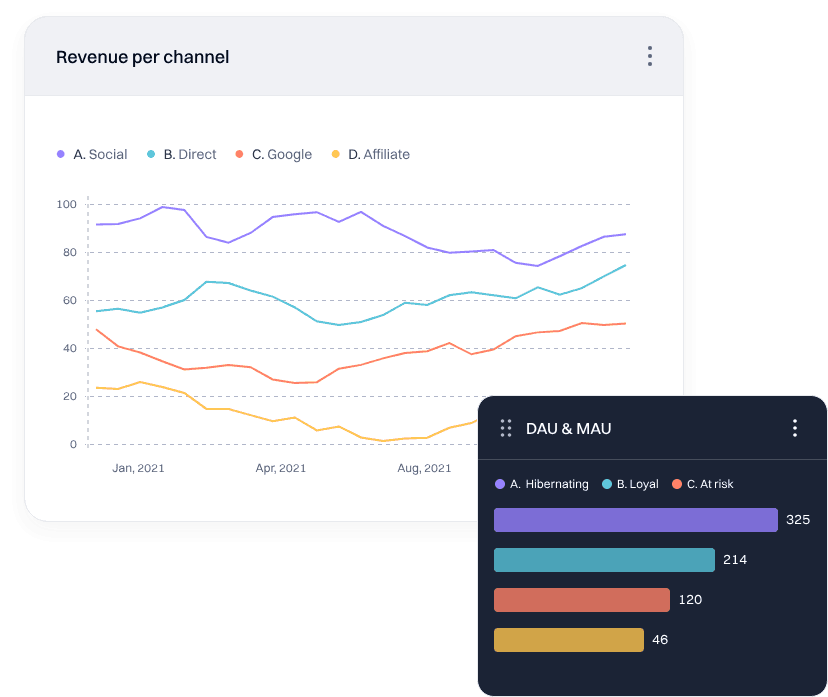
Discover: Gather customer data from all sources. Predict: Use machine learning to forecast what customers are likely to do next.
Engage Customers
Personalization: Tailor every communication to suit individual customer needs.
Journeys: Send timely emails or SMS based on real-time behavior.
Optimize Experiences
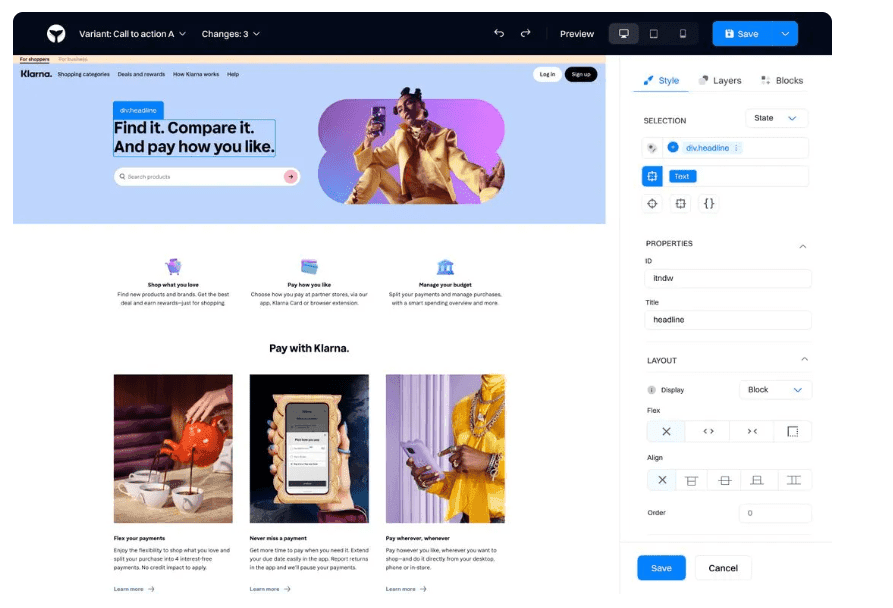
Experiment: Test different strategies with confidence and minimal risk.
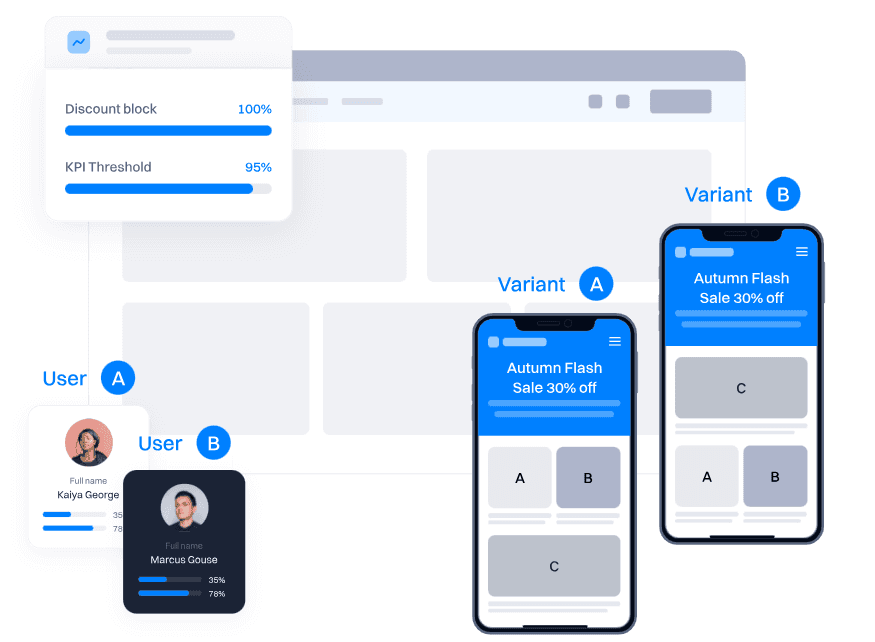
Analyze: Review experiment results for continuous improvement.
Results You Can Aim For
- 20–30% lower CAC through precise targeting.
- 15–25% lift in repeat purchase rate.
- Higher LTV:CAC ratios (up to 3:1) within one quarter.
TL;DR
- Sales drop by 60–70% after the holiday season.
- Used data-driven upsells, retargeting, and A/B testing to boost conversions.
- Focused on retention through personalized post-purchase offers.
- Intempt helped unify data, predict intent, and automate marketing.
- Result: Lower costs, more repeat customers, and steady growth.
Frequently asked questions. Answered.
Use personalized post-purchase offers and timely reactivation campaigns.

About the author
Somya Nayak
Growth Marketer
Somya is a product marketer focused on helping B2B and e-commerce teams get more from their marketing stack. She writes about personalization, analytics, and revenue-focused campaigns.
LinkedIn