A/B testing tools help you validate ideas with real users - so you ship what actually works, not what wins an internal debate. This guide walks through how to pick (and use) the right A/B testing platform for your team.
What is an A/B testing tool?
An A/B tool lets you show two (or more) versions of a page, screen, or feature to different users and measure which one better hits a goal - clicks, signups, purchases, you name it.
Why do you need an A/B testing tool?
- Cut the opinions, keep the data. Instead of "I think…", you make decisions on observed behavior.
- De-risk launches. Validate ideas on a slice of traffic before a full rollout.
- Learn faster. See how small copy, layout, or flow changes move metrics.
- Stay statistically honest. Good tools tell you when a "win" is actually significant.
What to look for in an A/B testing tool?
- Easy to use - your team should be able to ship tests without PhDs or weeks of setup.
- Statistical reliability - built-in stats that flag significance, power, and guard against false wins.
- Audience targeting - aim variants at specific segments.
- Reporting you'll actually read - trustworthy dashboards, lift charts, and shareable summaries.
- Plays nice with your stack.
- Right price for the stage you're in.
| Product | Starting price | Free trial | Key features |
|---|---|---|---|
| Intempt | Plan starts from $114/mo (based on MTUs) | Yes, always free | Unified experimentation + personalization, real-time segmentation, recommendations (web/app), and advanced audience targeting |
| VWO | Plan starts from ~$173/mo (billed annually) | Yes, 30 days | Visual editor, server-side testing, heatmaps, survey suite, program management |
| Optimizely | Contact sales | No | Client- & server-side testing, stats engine, rollouts/flags, enterprise governance |
| Convert | Plan starts from $299/mo | Yes, 15 days | Privacy-first client/server tests, strong integrations, agency-friendly SLAs |
| Statsig | Plan starts from $150/mo | Yes | Feature flags, experimentation, holdouts, CUPED, product analytics in one |
| AB Tasty | Contact sales | No | Web & server tests, flags, personalization, widgets, enterprise support |
| Kameleoon | Contact sales | 14-day trial | Client/server tests, flags, predictive targeting, healthcare-grade privacy |
1) Intempt
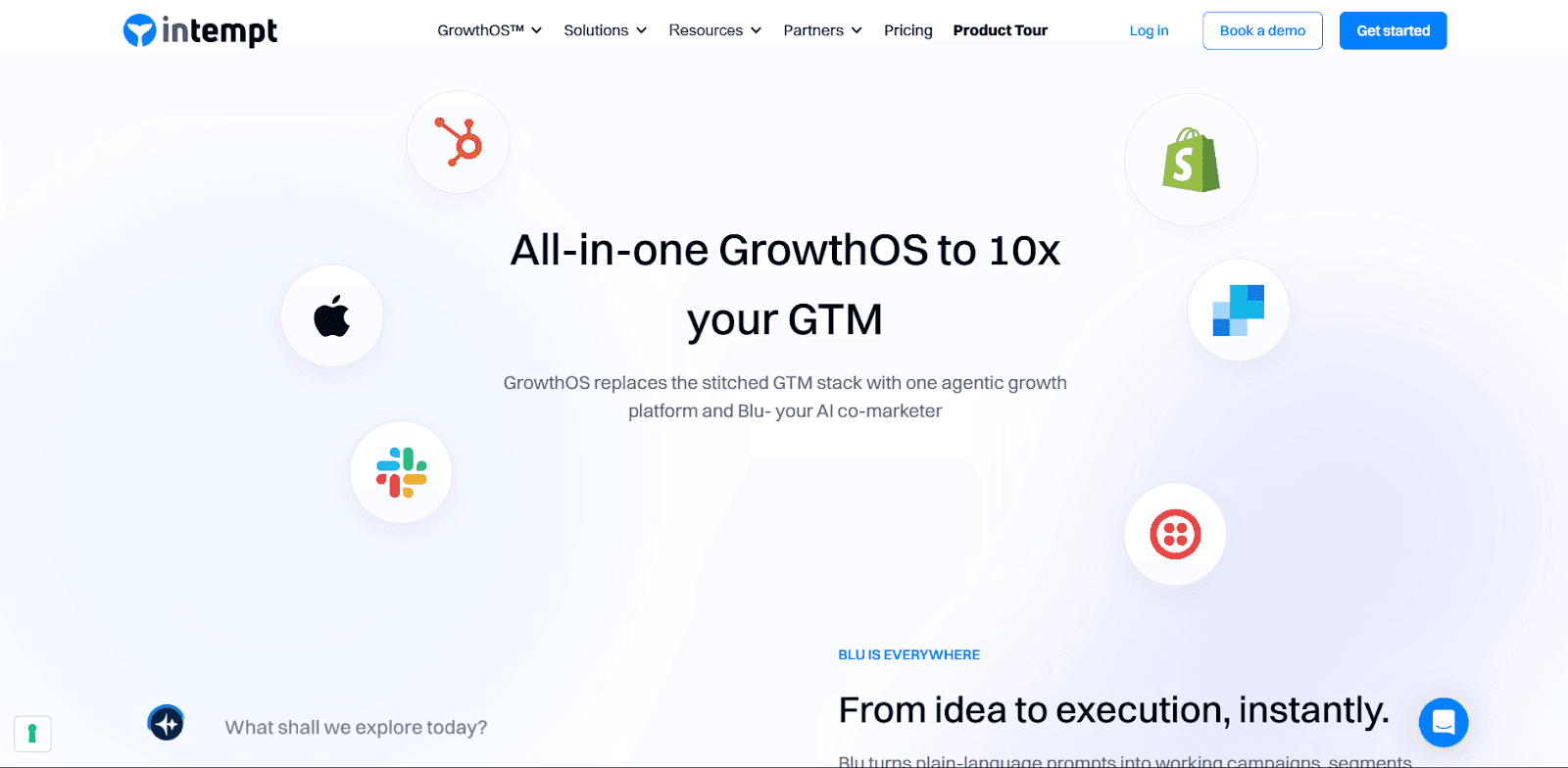
Intempt unifies A/B testing, real-time personalization, and product recommendations across your Website and App on a single data model - so Marketing, product, and engineering can run experiments, deliver tailored experiences, and measure lift without Franken-stack glue.
Strengths: One platform for experiments, personalizations, and recommendations. Behavioral + contextual targeting with real-time segments. Built for PLG teams.
Best for: PLG SaaS and ecommerce teams that want experimentation + personalization + recommendations under one roof.
Pricing: Always free, pay only when you need more. Paid plans start at $114 per month.
2) VWO
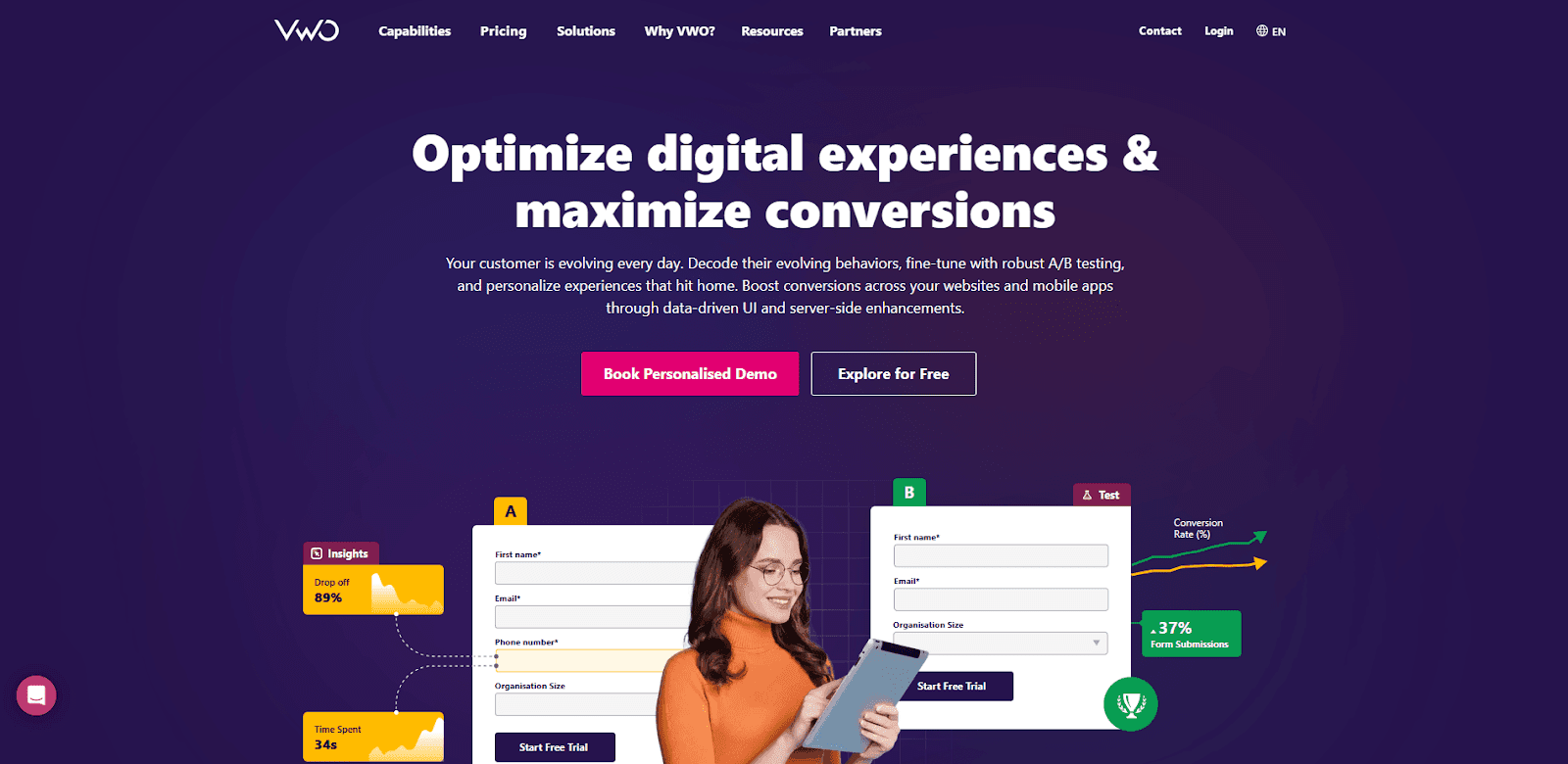
A mature experimentation suite for web and server-side testing with a broad UX toolkit (heatmaps, surveys, session recordings) and program-management features.
Best for: Growth teams wanting one vendor for testing plus UX research tools.
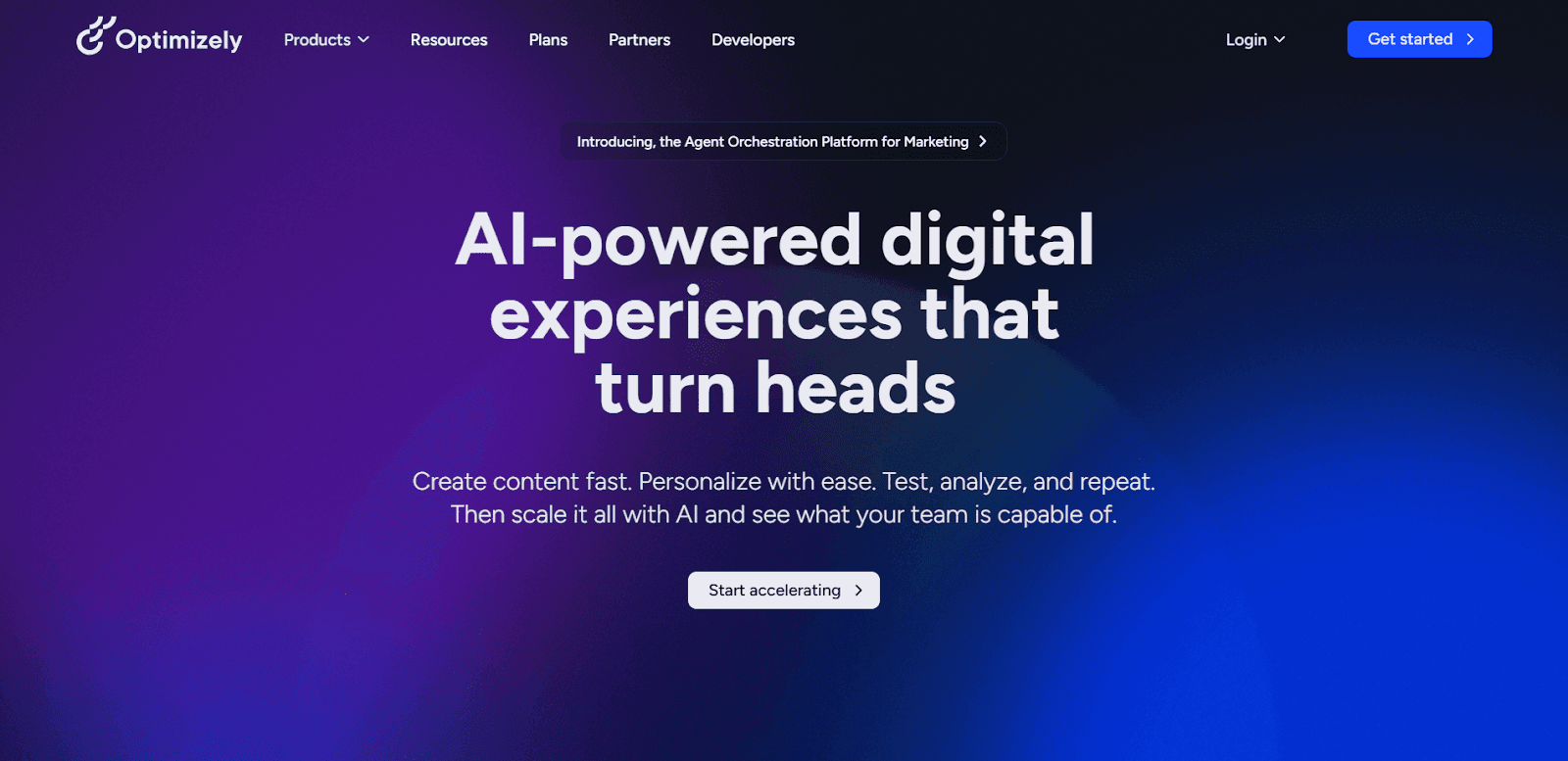
3) Optimizely
An enterprise-grade platform across client- and server-side experiments, feature flags, and content/commerce integrations.
Best for: Enterprises needing web + full server-side experimentation/flags with strong governance.
4) Convert
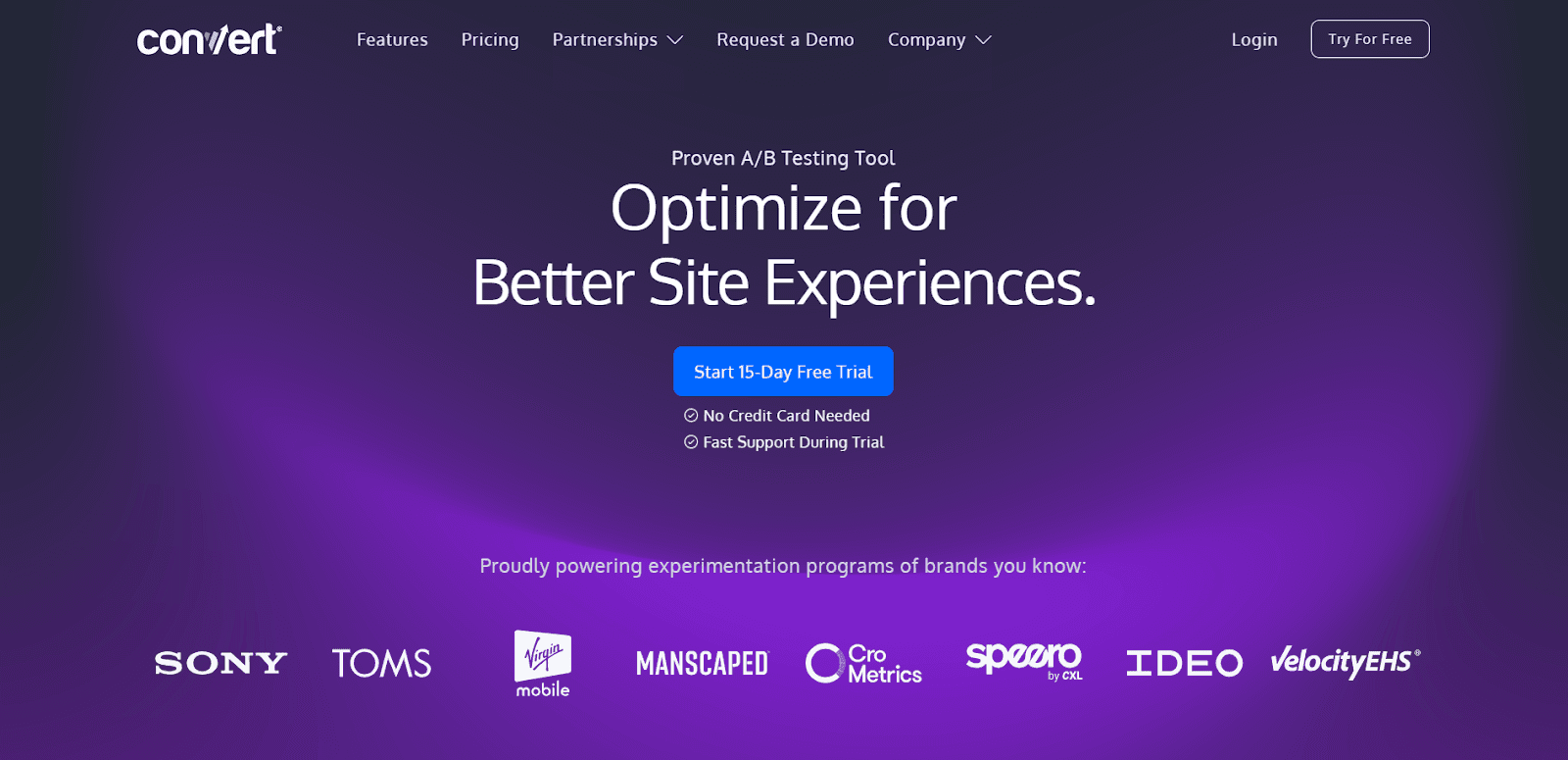
A privacy-forward experimentation platform popular with agencies and CRO teams.
Best for: Agencies/CRO teams wanting transparent pricing and privacy-minded testing. Pricing: From $499/mo (Essentials), billed annually.
5) Statsig
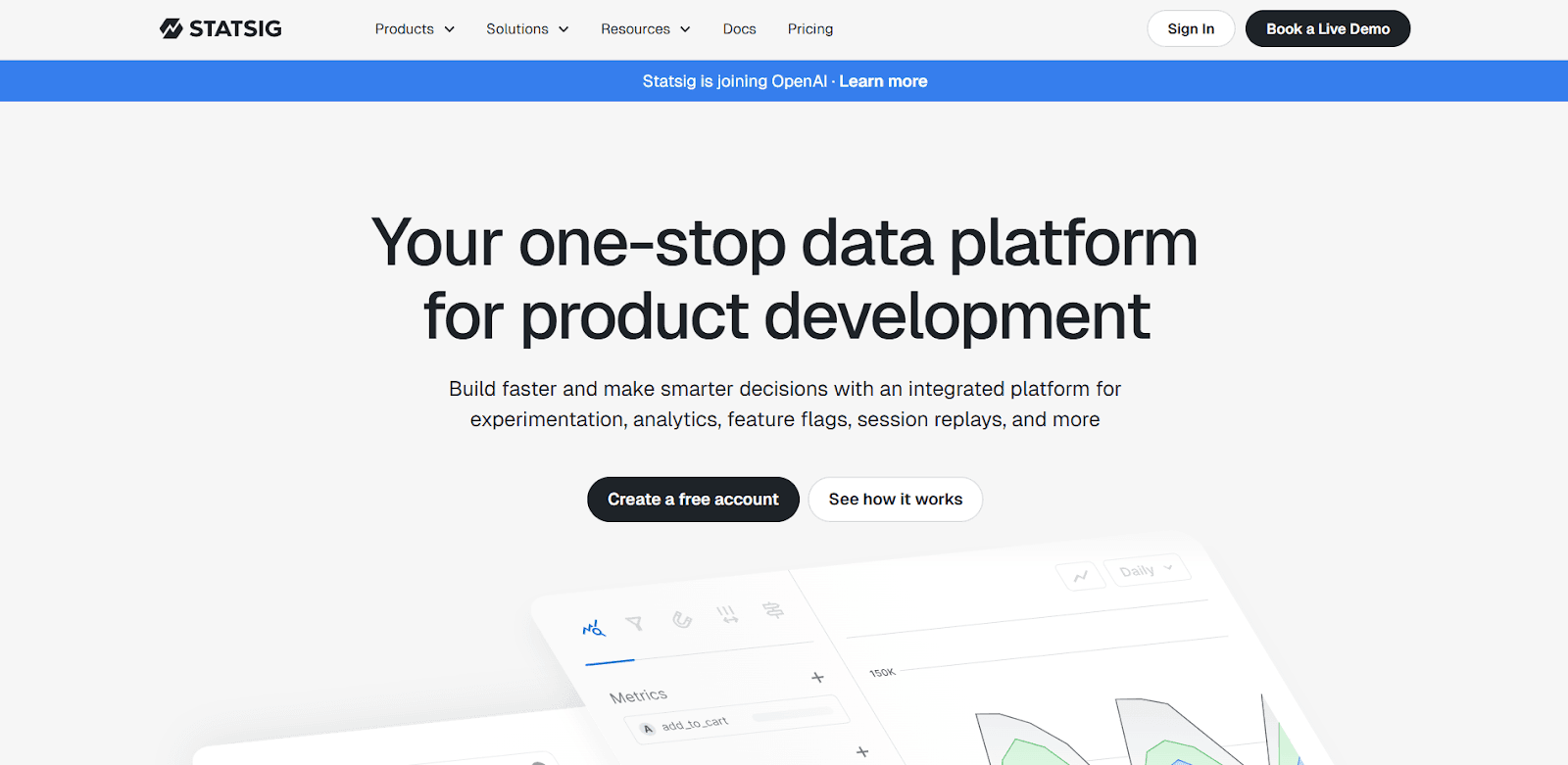
A modern experimentation and feature flag platform with strong statistical methods (e.g., CUPED).
Best for: Product/engineering teams launching feature-level experiments with robust stats. Pricing: Free tier; Pro from $100/mo.
6) AB Tasty
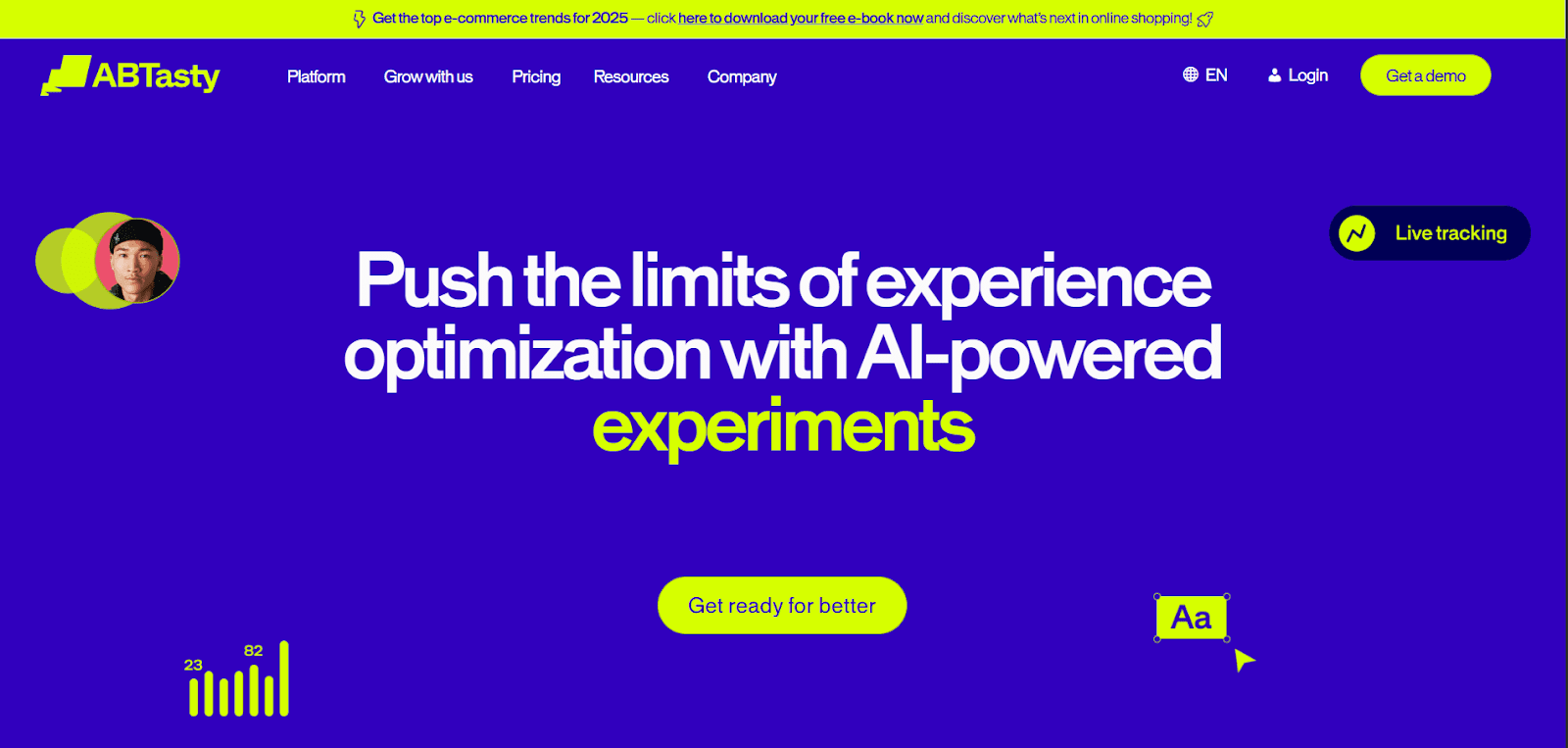
A full experimentation and personalization platform with client/server tests, feature flags, widget library, and enterprise services.
Best for: Digital teams wanting testing + personalization with enterprise-grade support.
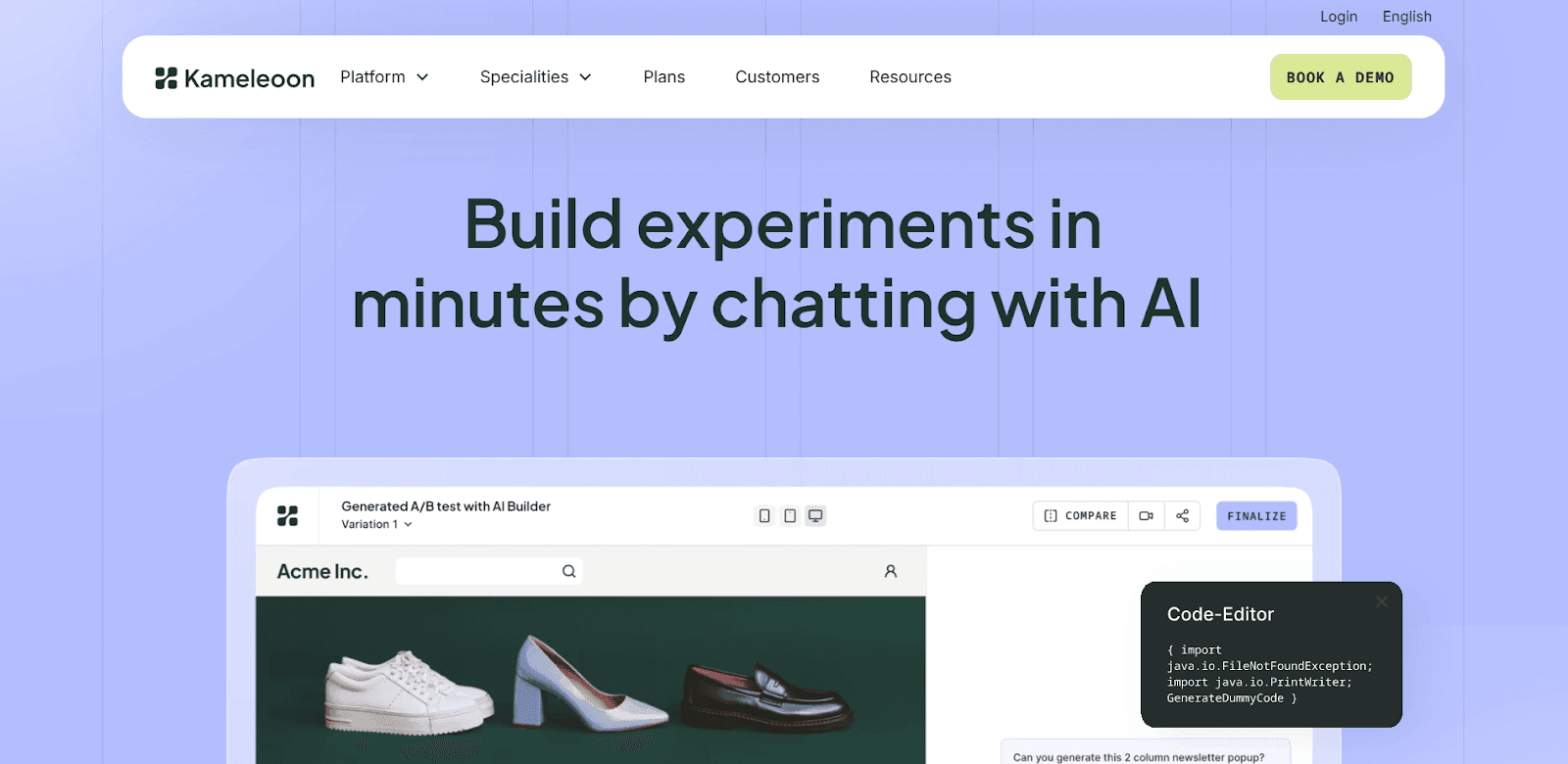
7) Kameleoon
Client- and server-side testing with feature flags and predictive targeting; known for privacy and regulated-industry support.
Best for: Regulated industries and teams needing predictive targeting & compliance.
How to choose (fast)
- Team mix: If marketers must launch tests visually, shortlist Intempt/VWO; if product & engineers lead via flags, shortlist Statsig/Optimizely.
- All-in-one vs best-of-breed: Need experiments + personalization + recs together? Intempt reduces stack complexity.
- Governance & scale: For complex orgs with approvals/compliance: Optimizely, AB Tasty, Kameleoon are strong.
- Budget & pricing model: Need transparent pricing? Intempt publishes clear usage-based plans.
Frequently asked questions. Answered.
Yes - Intempt offers a free plan suitable for early-stage teams.

About the author
Somya Nayak
Growth Marketer
Somya is a product marketer focused on helping B2B and e-commerce teams get more from their marketing stack. She writes about personalization, analytics, and revenue-focused campaigns.
LinkedIn