How AI Can Stop Cart Abandonment Before It Happens?

Sid Chaudhary

Sid Chaudhary

Founder & CEO

Share:

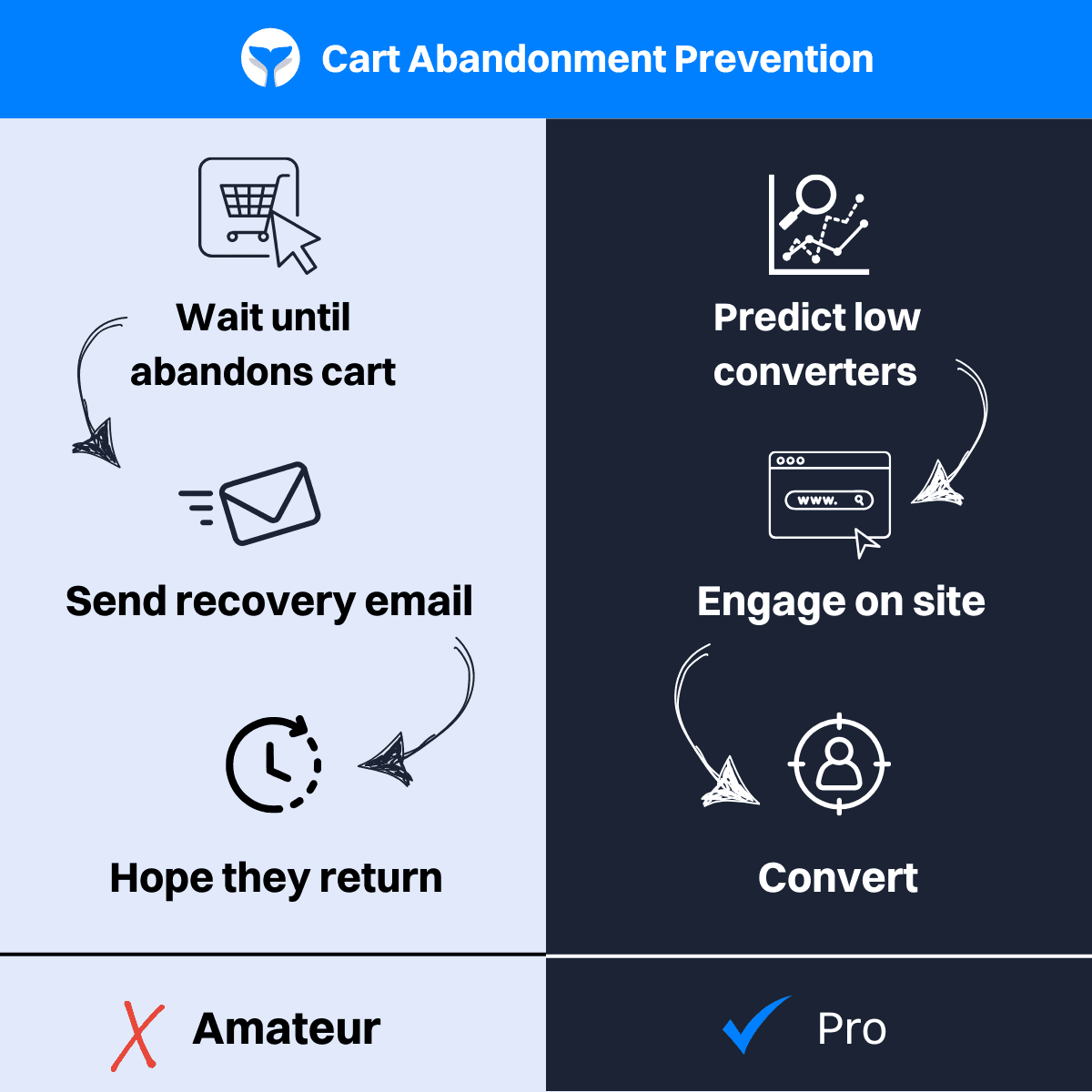
Cart abandonment has long been one of the most persistent challenges in e-commerce. Most businesses have tried to tackle it with reactive approaches like post-abandonment emails and SMS or a retargeting ad campaign. However, these methods often reach customers with "too little, too late," - they've already moved on.

Imagine this: You're in a physical store, and you see a customer pick up a product, walk around with it for a while, then set it down and head for the exit. Would you wait until they've left, chase them to the parking lot, and tap them on the shoulder to ask if they'd like to come back? Of course not! But this is exactly what most marketers do today to reduce cart abandonment.

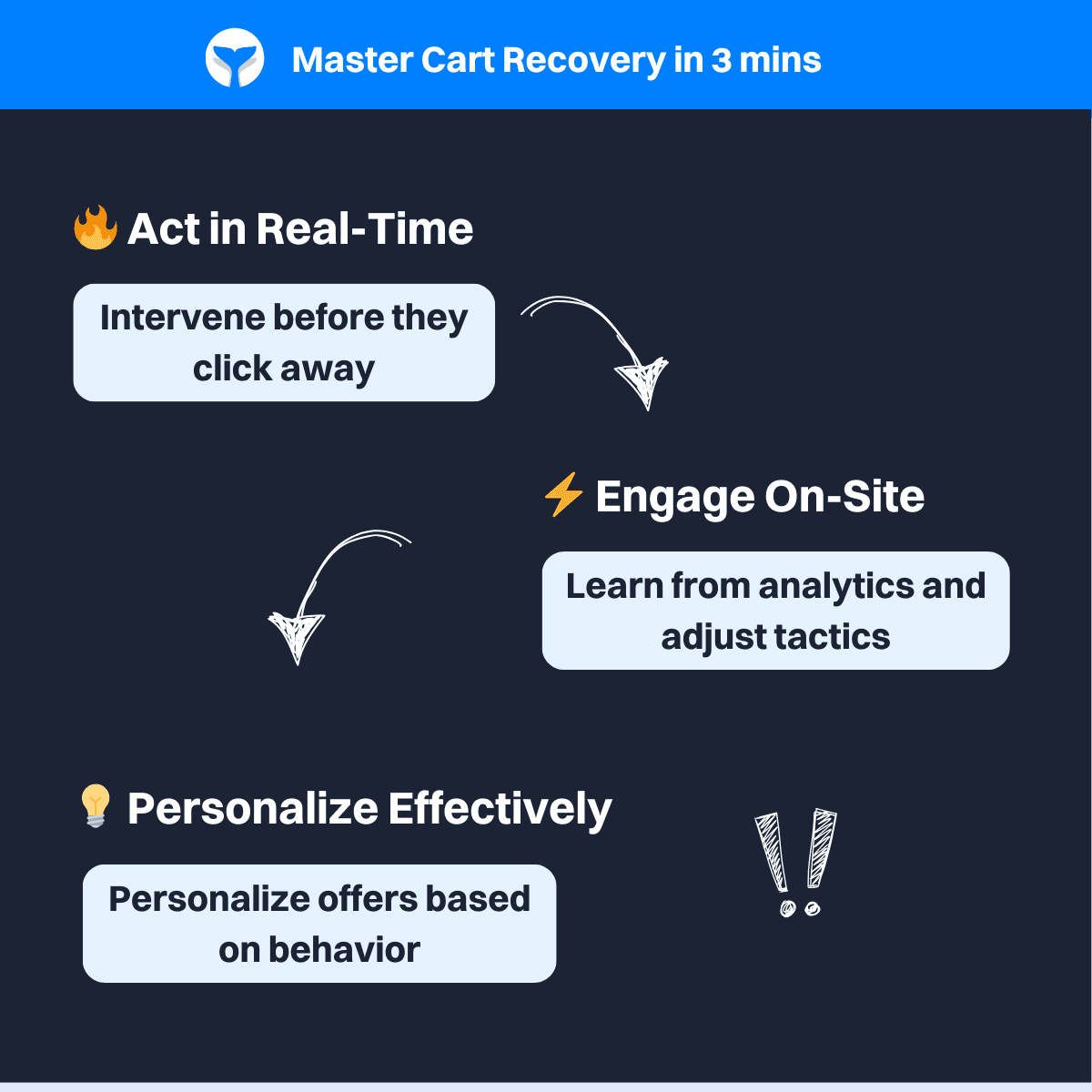
In this article, we'll explore why reactive approaches are falling short and how a proactive, AI-driven strategy can transform the way you engage shoppers in real-time, keeping them on track to complete their purchase.

Expected Results

  • Predict cart abandonment intent in real-time across key touchpoints (product, checkout, shipping, and payment pages).
  • Launch on-site interventions that proactively address hesitation before exit.
  • Deliver personalized, AI-driven nudges (discounts, social proof, free shipping prompts) at the moment of friction.
  • Measure lift in conversion rate, cart completion rate, and revenue-per-visitor (RPV) through controlled testing.

The Problem With Traditional Cart Recovery Approach

Traditionally, businesses have relied on post-abandonment emails or SMS to recapture these lost opportunities. However, the effectiveness of these reactive methods is limited. Here's why:

  • **Timing Issues**: By the time someone gets your "Don't forget your cart!" email, they've likely already bought from a competitor or lost interest entirely.
  • **Limited Reach**: You can only send recovery emails to customers who provide their email address, which many don't do before abandoning their cart.
  • **Poor Engagement**: Let's do the math: If 100 people abandon their carts, maybe 10 leave their email. Of those, perhaps 1 or 2 actually open your recovery email. That's a tiny fraction of potential recoveries.
Poor Engagement in Cart Recovery

These shortcomings underline a critical point: waiting until after the cart is abandoned means you're missing the chance to intervene while the customer is still engaged.

Why Shoppers Abandon Before Buying?

Cart abandonment isn't random - it's a response to friction and uncertainty. AI can only fix what it understands. Here's what's really going on behind the hesitation:

  • **Unexpected Costs**: Shipping fees, taxes, or extra charges appear too late in the funnel.
  • **Complex Checkout**: Long forms or too many steps create drop-off points.
  • **Lack of Trust**: Missing reviews, unclear return policies, or no social proof.
  • **Decision Fatigue**: Too many options and too little reassurance stall progress.

Every one of these moments is a signal - and with the right predictive AI layer, you can spot them as they happen, not after.

A Better Way: Stop Abandonment Before It Happens!

Consider this scenario: you're in a store and you see a customer hesitating with a product. Instead of waiting until they leave, wouldn't it be ideal to offer a small incentive right then - a friendly reminder, a quick discount, or even some social proof that reassures them? That's the power of a proactive, AI-driven strategy.

Today's shoppers are more informed and have shorter attention spans. Friction points, like unexpected shipping fees or a complex checkout process, can trigger abandonment at critical moments. AI enables you to do:

Predictive Analytics:

AI systems evaluate key indicators - such as visiting checkout pages or repeated visits to shipping details pages - to predict when a customer might abandon their cart. For instance, if a user spends time on shipping options without moving forward, the system can flag this as a high-opportunity moment.

Real-Time Behavior Analysis:

Rather than waiting until a customer exits your site, AI monitors their behavior continuously. This allows for immediate detection of hesitation, letting you trigger a response before the customer's interest fades.

Trigger-Based Interventions:

Once AI identifies a potential cart abandonment, you can deploy timely, personalized interventions directly on your site. For example:

  • **No-Shipping Charge Offer**: As soon as a customer begins entering shipping details, a prompt might appear offering free shipping. This directly addresses a common pain point.
  • **Localized Social Proof**: A banner can show testimonials or real-time notifications - like "Maria from New York just purchased these sneakers" - to reassure the shopper and build trust.
Localized Social Proof

This proactive approach means you intervene before the customer even thinks about leaving, preserving the momentum of their shopping journey.

How to Implement Proactive Cart Abandonment Prevention?

Adopting a proactive approach to cart abandonment doesn't have to be overwhelming. Here's a practical, step-by-step guide to get you started:

Step 1: Build a Lifecycle Agent

Start by setting up the Lifecycle Agent that monitors and scores user sessions for abandonment risk.

Platforms like Intempt let you build AI Agent that flag at-risk users in real time.

Example: A shopper reviews shipping details twice without advancing → model score increases → trigger on-site prompt.
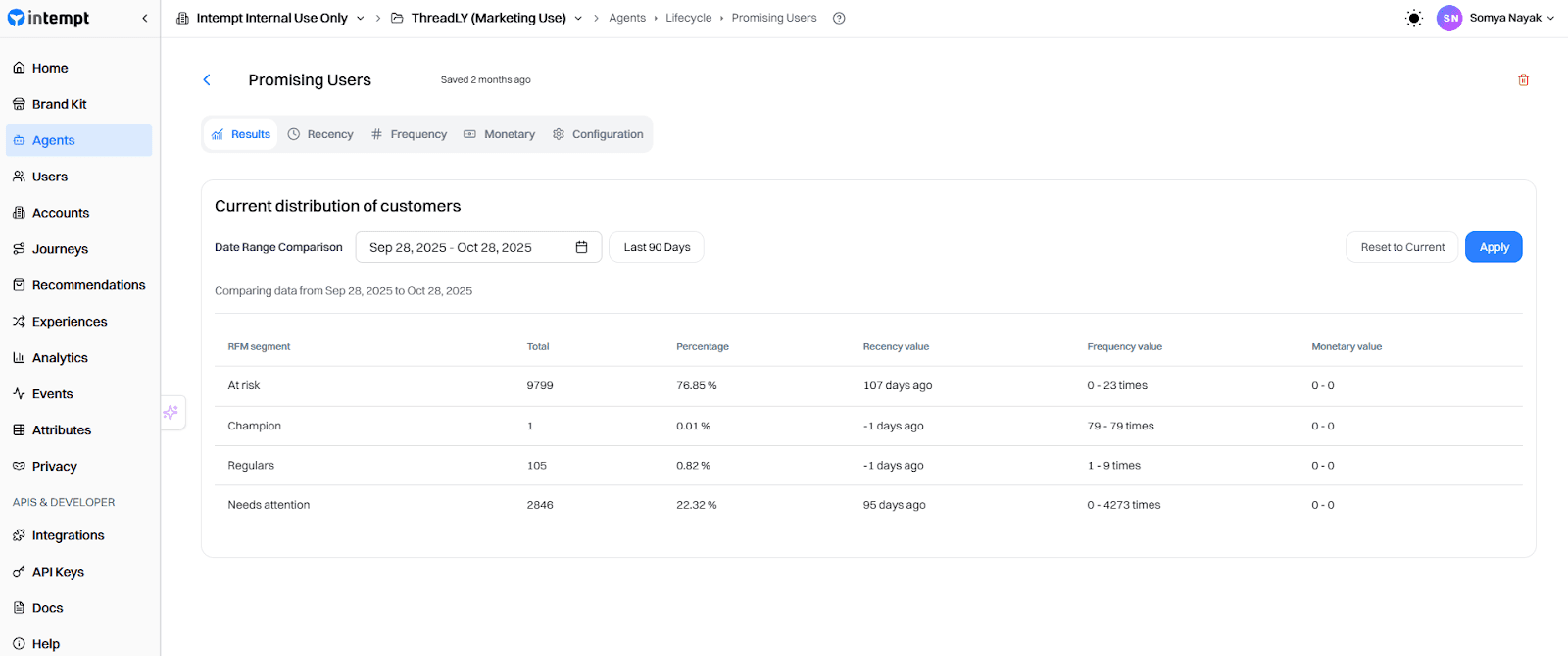
Build a Lifecycle Agent

Step 2: Segment and Map Customer Journeys

Not every user hesitates for the same reason. Segment visitors based on behavior:

  • High abandonment risk (spends >60s on checkout without advancing)
  • Coupon hunters (open the discount section repeatedly)
  • Trust seekers (review returns/shipping pages multiple times)
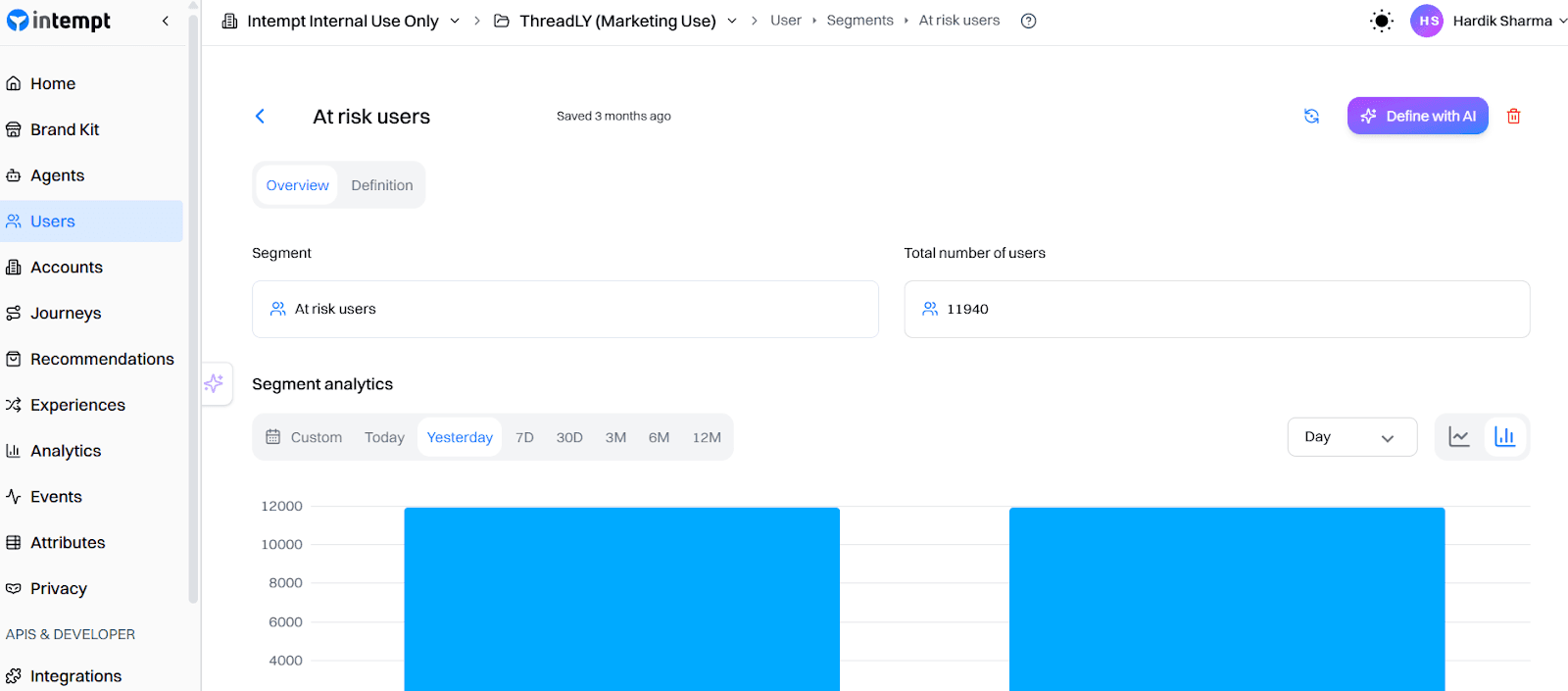
Use Intempt's segmentation tools to map journeys for each group. This ensures every intervention feels human -not robotic.

Segment and Map Customer Journeys

Step 3: Deploy Personalized On-Site Interventions

Now that your system knows who and when, it's time to act.

Trigger real-time interventions when AI detects hesitation:

  • Free Shipping Prompt: "Get free shipping when you order today!"
  • Localized Social Proof: "Someone in your area just purchased these sneakers."
  • Discount Nudges: "Complete your purchase now and get 10% off."
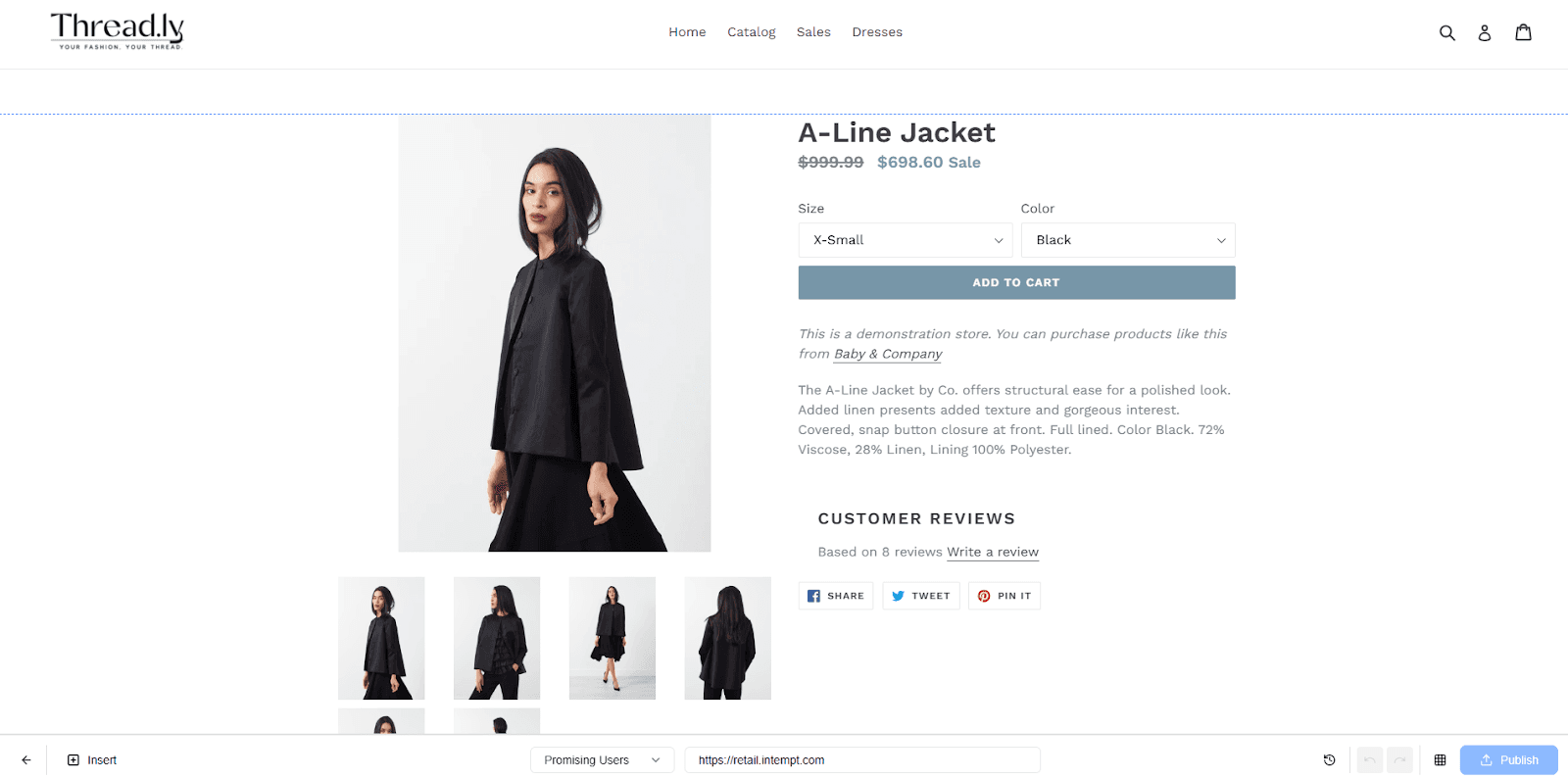
These moments of micro-engagement keep the buyer's attention and neutralize friction before it kills intent.

Personalized On-Site Interventions

Step 4: Review, Measure, and Optimize

Once your interventions go live, track performance across:

  • Conversion rate improvement
  • Average order value (AOV)
  • Revenue per visitor (RPV)

Run A/B or multivariate tests on timing, message type, and offer strength. Use analytics to double down on what converts -and phase out what doesn't.

Review, Measure, and Optimize

Benefits of a Proactive AI Approach

Switching to a proactive, AI-powered strategy can have a transformative impact on your e-commerce business:

  • **Higher Conversion Rates:**

By engaging shoppers in real-time, you can significantly reduce cart abandonment. The immediate, personalized interventions often convert hesitant shoppers into buyers.

  • **Enhanced Customer Experience:**

Proactive messaging shows your customers that you understand their needs and are ready to help at the precise moment of hesitation. This builds trust and encourages repeat business.

  • **Competitive Advantage:**

In a crowded digital marketplace, offering a personalized, data-driven shopping experience can set you apart from competitors who rely on outdated, reactive methods.

  • **Cost Efficiency:**

Instead of investing heavily in post-abandonment recovery campaigns that may not yield the desired return, proactive strategies focus your resources on engaging customers when they are most receptive.

What You Should Expect?

Brands that move from reactive to proactive cart recovery consistently see:

  • Higher conversion rates through real-time engagement.
  • Better customer experience from personalized assistance.
  • Improved ROI by focusing spend on in-session interventions, not post-abandonment campaigns.

Early adopters typically report a 10 - 20% drop in cart abandonment within weeks, with measurable increases in AOV and repeat purchase rates.

Looking Ahead

The future of e-commerce lies in preventing cart abandonment, not just recovering from it. By moving away from reactive recovery emails and toward real-time, personalized interventions, retailers can not only reduce cart abandonment but also build a more customer-centric shopping experience.

Tools like Intempt's GrowthOS integrate seamlessly with platforms like Shopify and offer an accessible way to harness these advanced strategies. With the ability to predict shopper behavior, segment audiences, and deploy on-site interventions precisely when needed, you can stop cart abandonment in its tracks.

It's time to leave outdated, reactive methods behind. Embrace proactive AI strategies, optimize your customer journeys, and transform hesitant browsers into loyal buyers.

TL;DR

  • Detect abandonment signals in real-time using AI likelihood models.
  • Segment shoppers by risk type (hesitant, value-seeker, trust-checker).
  • Trigger personalized, on-site interventions (discounts, free shipping, social proof).
  • Measure impact through A/B testing and session analytics.
  • Iterate and refine models continuously for sustained conversion lift.

Frequently asked questions. Answered.

Unexpected shipping fees, long checkout flows, lack of trust signals, or overwhelming product choice.

By analyzing the live session behaviors (time on page, mouse movement, navigation loops), abandonment likelihood scores, and triggering timely responses.

Brands implementing AI-driven prevention typically see a 10 - 20% increase in completed checkouts.

The best approach is to stay transparent by informing users about data usage and complying with GDPR/CCPA. Ethical data practices foster trust and brand loyalty.

Continuously. Monitor model performance weekly, test new triggers, and recalibrate based on real conversion data. The more updated the AI model, the more efficient it is.

Thanks for reading till the end. Here are 3 ways we can help you grow your business:

1

Boost growth with proven growth plays

Explore our Growth Play Library, filled with actionable growth tactics and step-by-step guides to unlock your app's potential.

Check out Growth Play Library
2

Create a free GrowthOS account

Create a free GrowthOS account and get started on the journey to grow your app.

Get started free on GrowthOS
3

Get advice from a Growth expert

Schedule a personalized discovery call with our founder to explore how GrowthOS can help you grow your business.

Subscribe to The Full Stack Marketer

Zero theory or mindset discussions here; just actionable marketing tactics that will grow revenue today.