Customers interact with brands across many channels — email, SMS, WhatsApp, push notifications, websites, apps, and more. The challenge is that most companies manage these channels with separate tools. Customer data gets scattered, campaigns become harder to personalize, and teams struggle to understand what actually drives revenue.
An omnichannel customer engagement platform solves this by bringing customer data, messaging, automation, personalization, and analytics into one place.
This guide compares the best platforms in 2026 based on:
- Customer data management: Can it create one complete customer profile?
- Channel support: Does it support email, SMS, WhatsApp, push, web, and app messaging?
- AI capabilities: Does AI help teams make better decisions or just generate content?
- Ease of use: Can marketers launch campaigns without heavy engineering support?
- Business impact: Can you measure revenue and customer outcomes?
Quick Comparison
| Platform | Best For | Main Strength |
|---|---|---|
| Intempt | Mid-market teams | AI-powered customer engagement and unified growth platform |
| Braze | Large enterprises | Advanced customer journeys |
| CleverTap | Mobile apps | Mobile engagement and retention |
| Klaviyo | Ecommerce brands | Email and SMS marketing |
| MoEngage | Growing brands | Customer insights and automation |
| Insider | Retail and travel | Personalization |
| RingCX | Support teams | Omnichannel customer service |
| Genesys | Enterprise contact centers | Complex customer operations |
| NICE CXone | Regulated industries | Compliance and support |
| Qualtrics | Customer research teams | Customer feedback analytics |
| OneSignal | Startups | Affordable notifications |
| Customer.io | Developer-led SaaS | Flexible messaging workflows |
1. Intempt: Best AI-Powered Omnichannel Engagement Platform
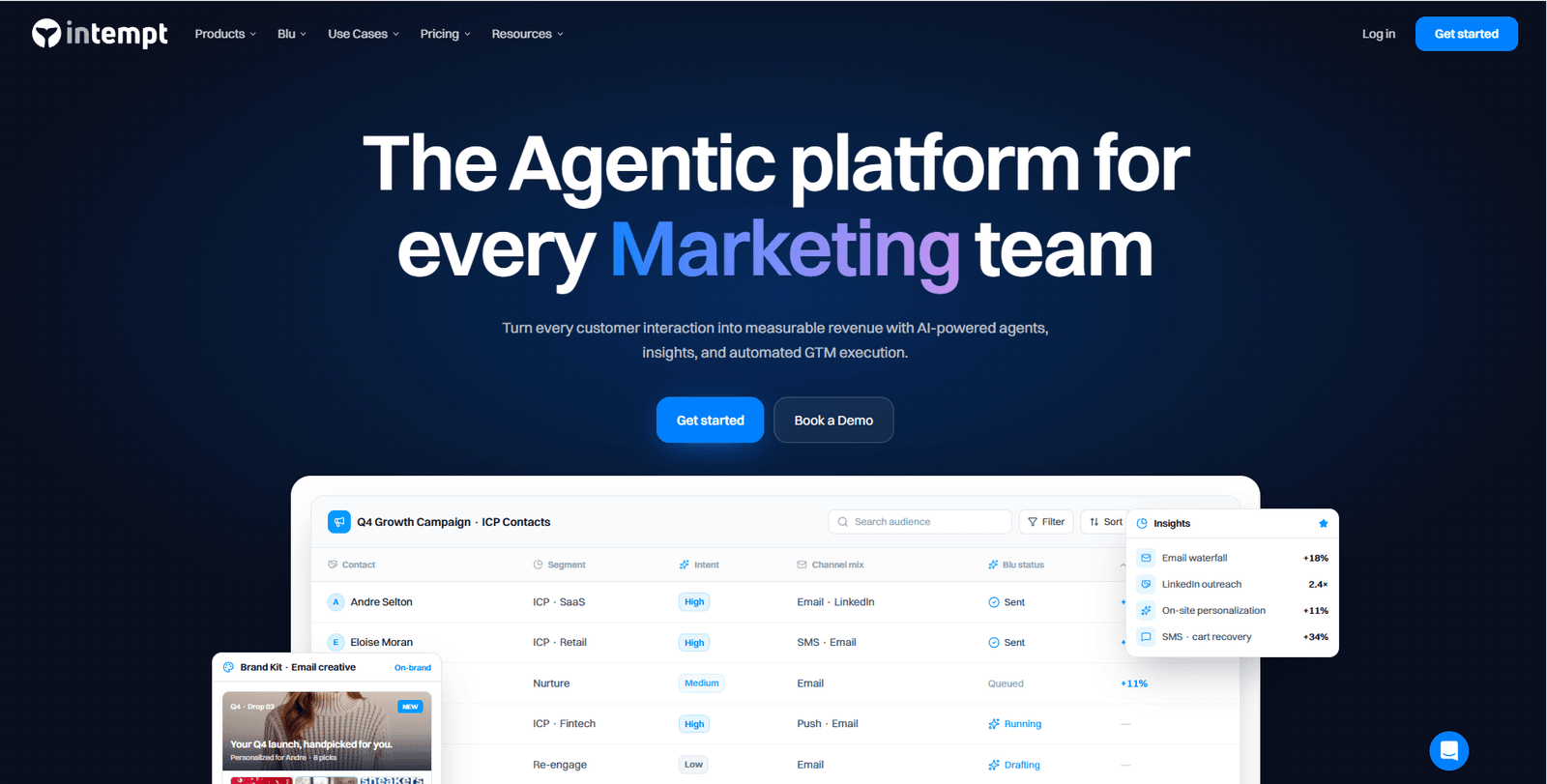
Best for: Mid-market companies that want customer data, analytics, automation, personalization, and AI in one platform.
What it does
Intempt combines customer data, marketing automation, analytics, personalization, and AI agents into a single platform. Instead of using separate tools for customer data, email and SMS campaigns, customer journeys, A/B testing, personalization, and analytics, teams can manage everything from one system. The platform is powered by Blu AI Agents, which help teams analyze customer behavior, predict outcomes, and automate growth workflows.
Key features
Intempt connects customer activity across channels so teams understand each customer's complete journey. A customer who visits your website, receives an email, interacts with a product page, and purchases is not seen as separate events — Intempt connects them into one customer story.
Blu AI Agents help teams identify customers likely to churn, find high-value customer segments, improve campaign targeting, and discover growth opportunities without needing a data science team.
Marketers can build automated customer journeys based on behavior, lifecycle stage, and customer attributes. New visitor to engaged user to buyer to repeat customer — each stage can trigger personalized actions. Teams can also test different experiences and personalize websites or campaigns based on real-time customer behavior.
Why choose Intempt?
Intempt is a strong option for teams that want to reduce tool complexity. Instead of managing separate platforms for CDP, engagement, analytics, personalization, and experimentation, companies can bring these workflows together in one connected system.
Best fit
- Want AI-driven marketing without hiring data scientists
- Need better revenue attribution
- Have customer data spread across multiple tools
- Want personalization across web, email, and messaging channels
Not ideal for
- Very small teams with simple email needs
- Companies happy with separate best-in-class tools
2. Braze: Best Enterprise Customer Engagement Platform
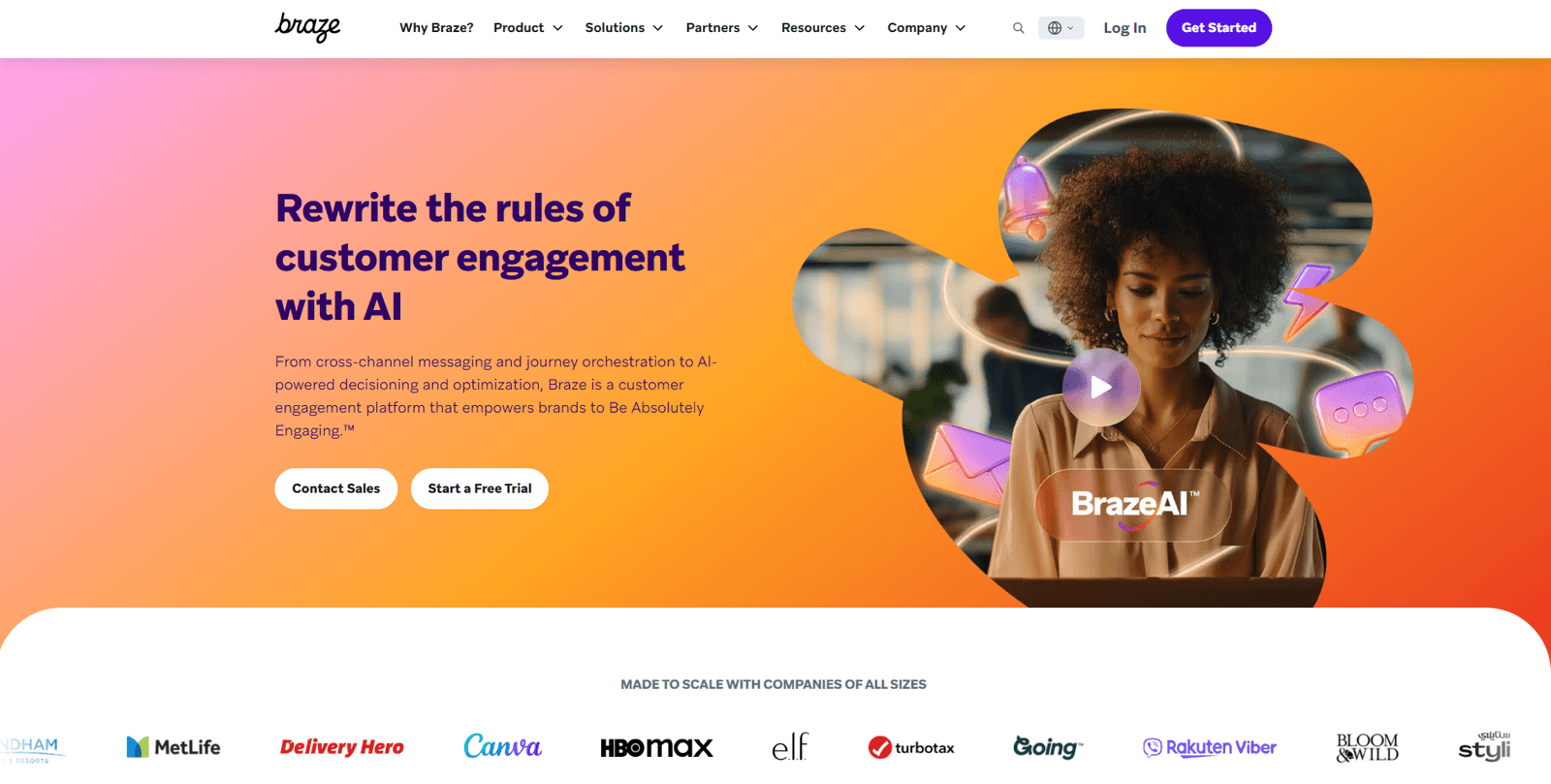
Best for: Large companies with complex customer journeys.
What it does
Braze helps enterprises create personalized customer experiences across email, push notifications, SMS, mobile apps, and web. Its main strength is advanced customer journey orchestration.
Strengths
- Powerful automation workflows
- Strong mobile engagement
- Enterprise scalability
- Advanced segmentation
Limitations
- Expensive for smaller teams
- Requires technical resources
- Costs increase with additional features
Best fit
- Large companies with dedicated CRM teams
- Engineering support available
- Large customer bases requiring enterprise-grade infrastructure
3. CleverTap: Best Mobile Engagement Platform
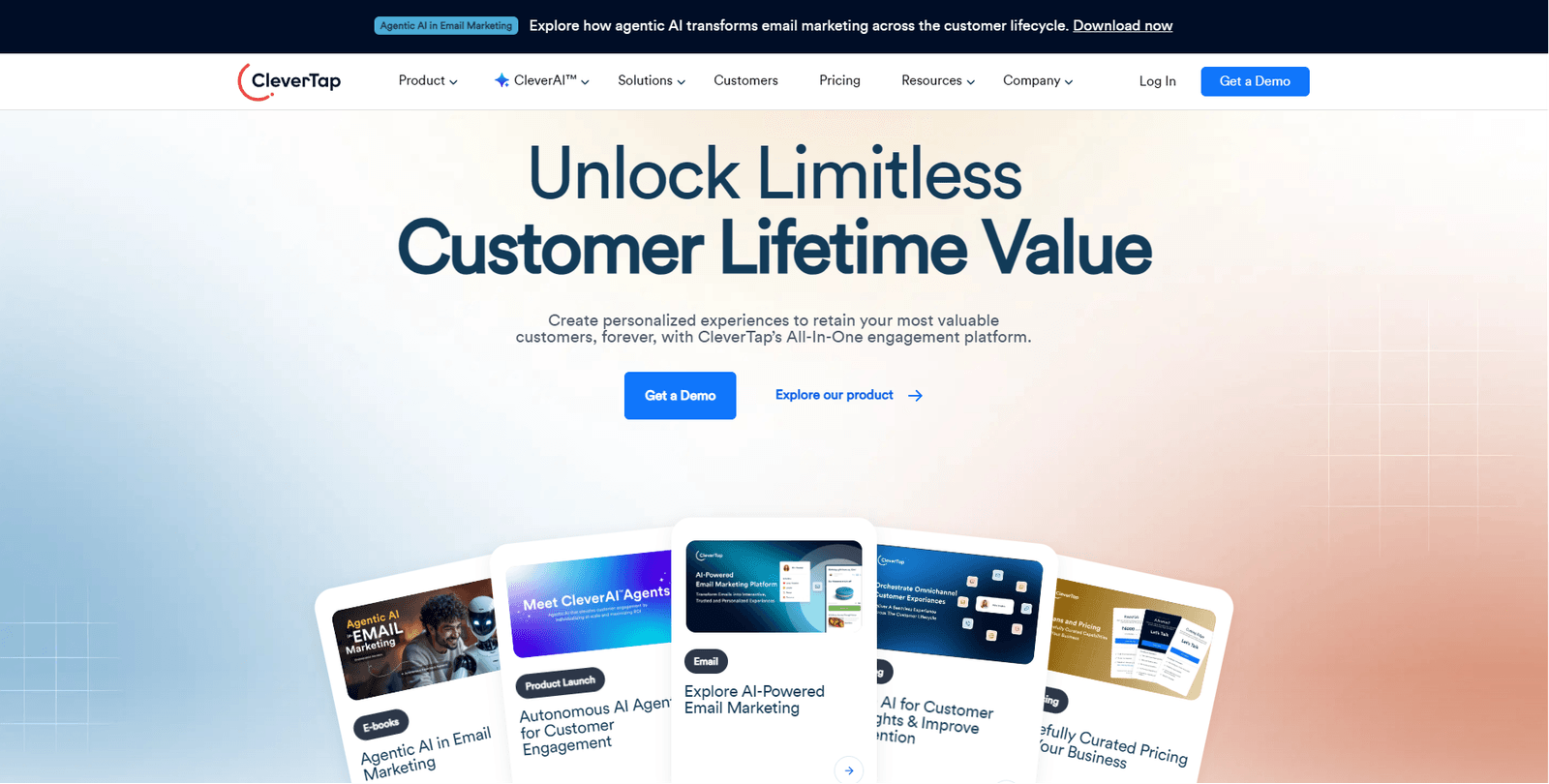
Best for: Mobile apps, fintech, gaming, and app-first businesses.
What it does
CleverTap helps companies improve user engagement and retention through mobile-focused analytics and messaging. It helps teams understand what users do inside apps, when they are likely to return, and what actions increase retention.
Key features
- Behavioral analytics: Track user actions and identify important engagement patterns
- Real-time segmentation: Group users by activity, frequency, spending behavior, and engagement level
- Mobile campaigns: Push notifications, in-app messages, email, and SMS
Strengths
- Strong mobile analytics
- Real-time user insights
- Good retention workflows
- Strong push notification capabilities
Limitations
- Less focused on website personalization
- Pricing increases as user volume grows
Best fit
- Run a mobile-first product
- Need better app retention
- Focus heavily on push and in-app messaging
4. Klaviyo: Best for Ecommerce Email and SMS
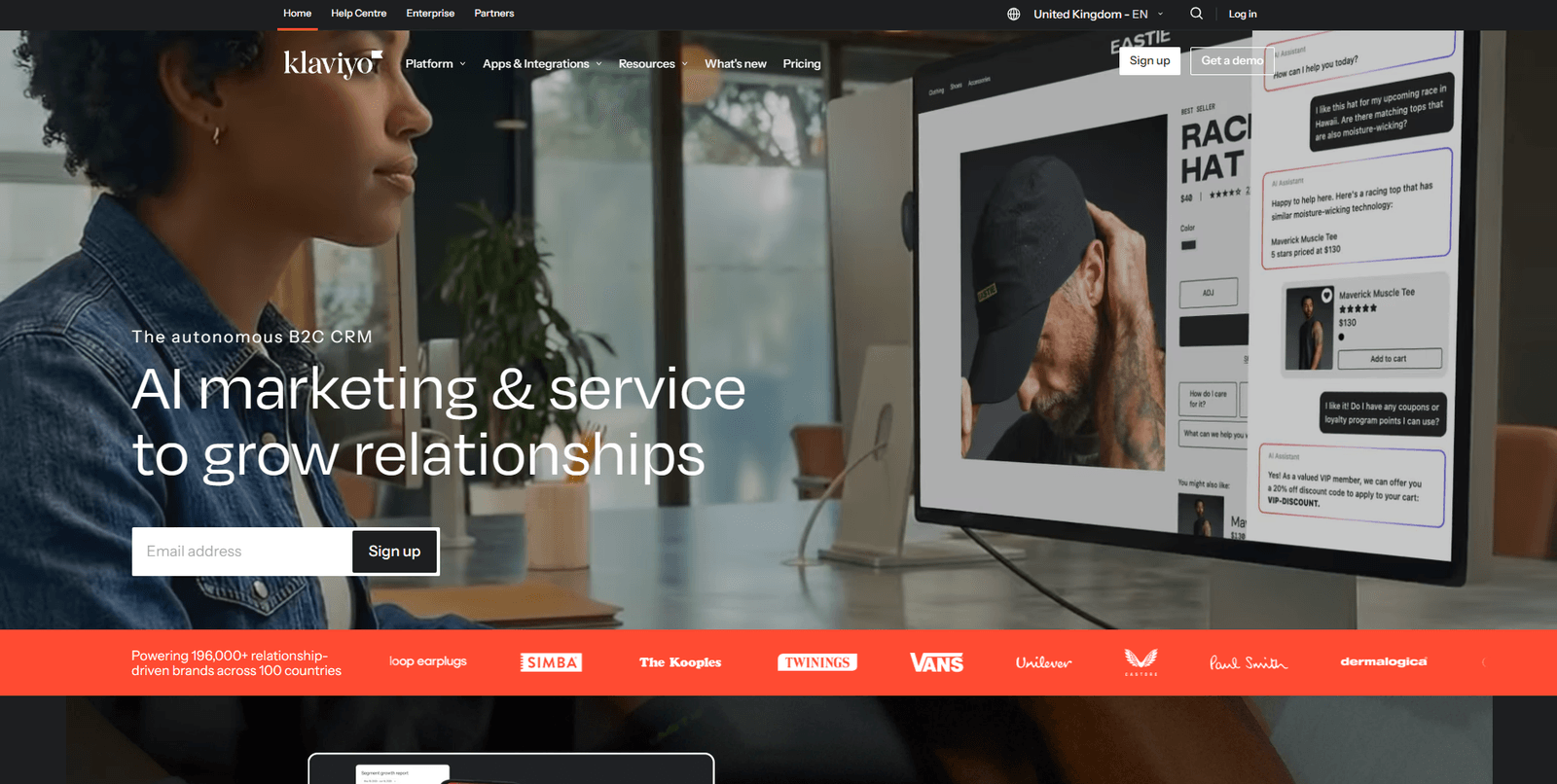
Best for: Shopify and ecommerce brands.
What it does
Klaviyo helps ecommerce teams use customer data to create targeted email and SMS campaigns. It connects with ecommerce platforms and tracks purchases, product views, browsing activity, and customer behavior to power automated flows.
Key features
- Ecommerce customer profiles based on shopping behavior — a customer who viewed shoes twice but did not purchase can automatically receive a reminder or offer
- Automated flows for welcome emails, abandoned carts, product recommendations, and retention campaigns
- Segmentation by purchase history, engagement level, and customer preferences
Strengths
- Easy to use for marketers
- Strong ecommerce integrations
- Great email and SMS workflows
- Large template ecosystem
Limitations
- Not a complete omnichannel platform
- Limited support for channels like WhatsApp and in-app messaging
Best fit
- Run an ecommerce business
- Mainly need email and SMS marketing
- Want quick setup without engineering support
5. MoEngage: Best Customer Insights and Automation Platform
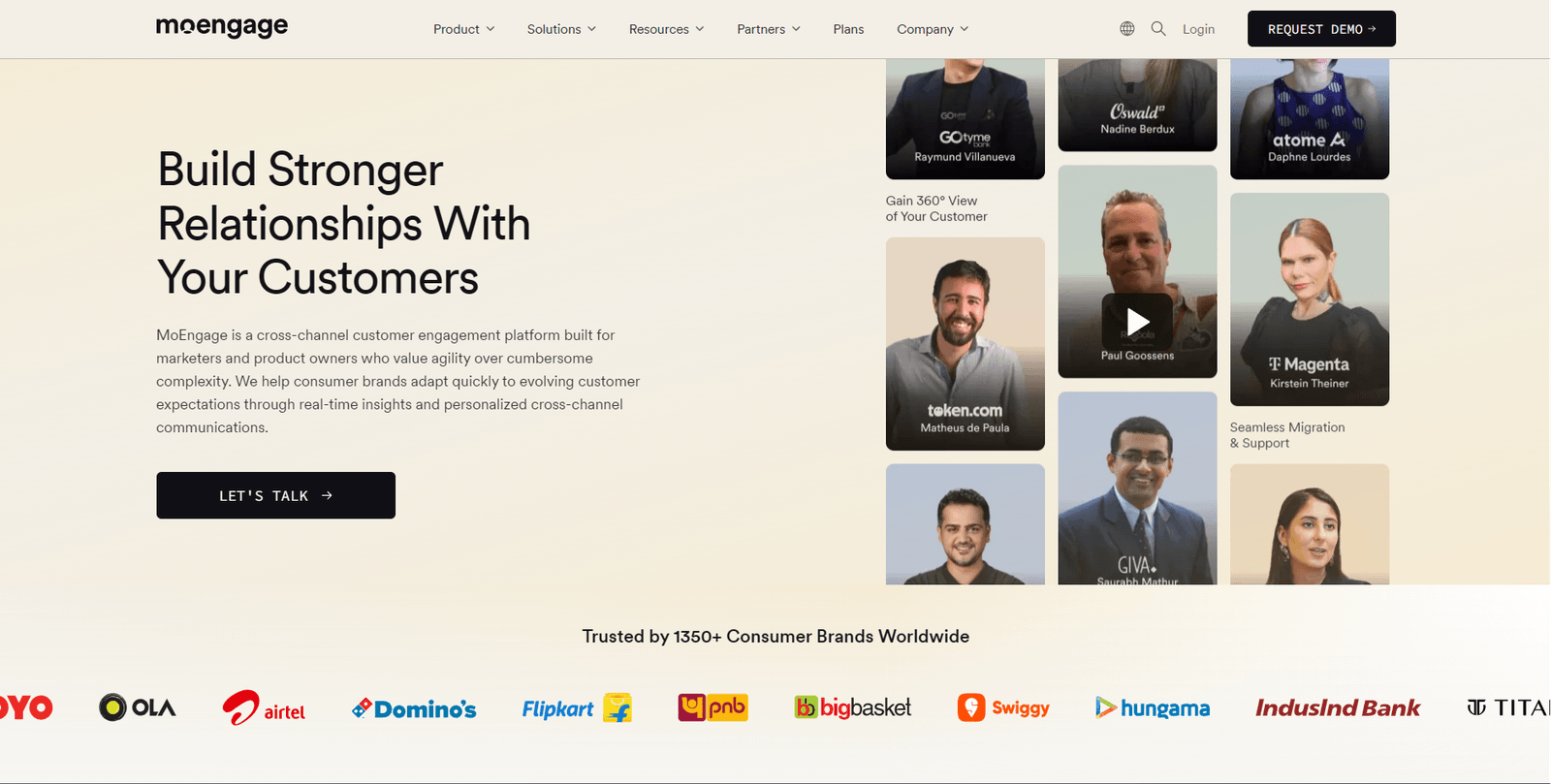
Best for: Growing brands that want customer insights, segmentation, and engagement automation.
What it does
MoEngage helps companies understand customer behavior and create personalized campaigns across channels. It focuses on helping teams answer: who are my customers, what are they doing, and what action should we take next.
Key features
- Customer analytics: Track behavior and identify users becoming inactive, high-value customers, and customers likely to convert
- AI-powered recommendations for send timing, channel selection, and customer targeting
- Cross-channel campaigns across email, SMS, push notifications, in-app messaging, and WhatsApp
Strengths
- Strong customer insights
- Good segmentation
- Useful AI recommendations
- Strong presence in APAC markets
Limitations
- Pricing is not always transparent
- Advanced use cases may require setup support
Best fit
- Want better customer understanding
- Need automated engagement campaigns
- Operate in markets where WhatsApp and mobile channels matter
6. Insider: Best Personalization Platform for Retail and Travel
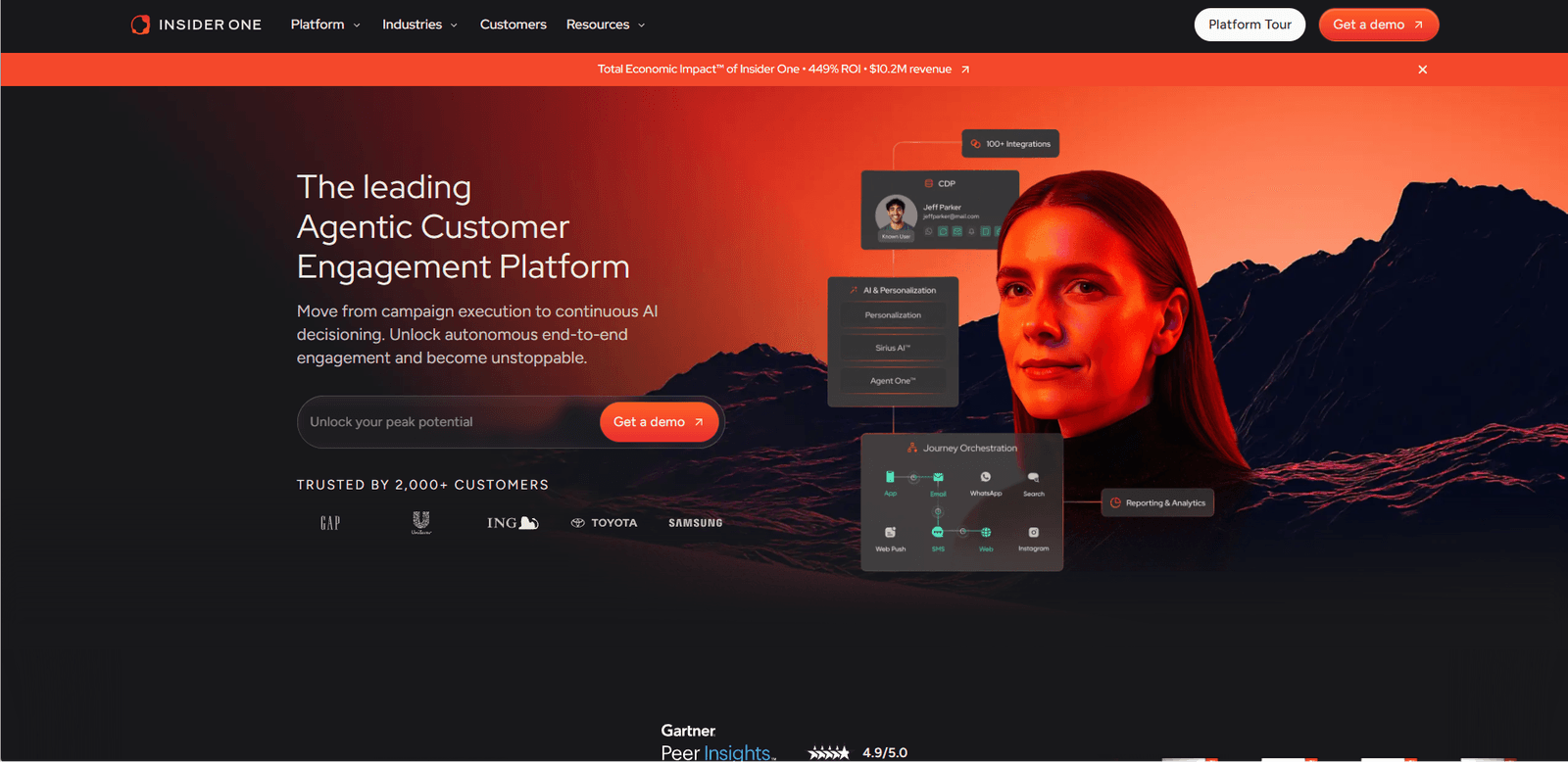
Best for: Ecommerce, retail, and travel companies focused on personalization.
What it does
Insider helps brands personalize customer experiences across websites, apps, email, and messaging channels. Unlike many engagement platforms that focus mainly on sending messages, Insider also personalizes the customer experience while users are actively browsing.
Key features
- Website personalization: Customize homepage experiences, product recommendations, offers, and content based on customer behavior
- AI-powered recommendations for products, offers, and next best actions
- Cross-channel engagement across web, mobile apps, email, SMS, and WhatsApp
Strengths
- Strong website personalization
- Good for ecommerce catalogs
- Combines inbound and outbound engagement
Limitations
- Less suitable for SaaS or B2B companies
- Best value comes from retail-focused use cases
Best fit
- Sell products online
- Have many customer journeys to coordinate
- Need website personalization and messaging together
7. RingCX: Best AI-Powered Customer Service Platform
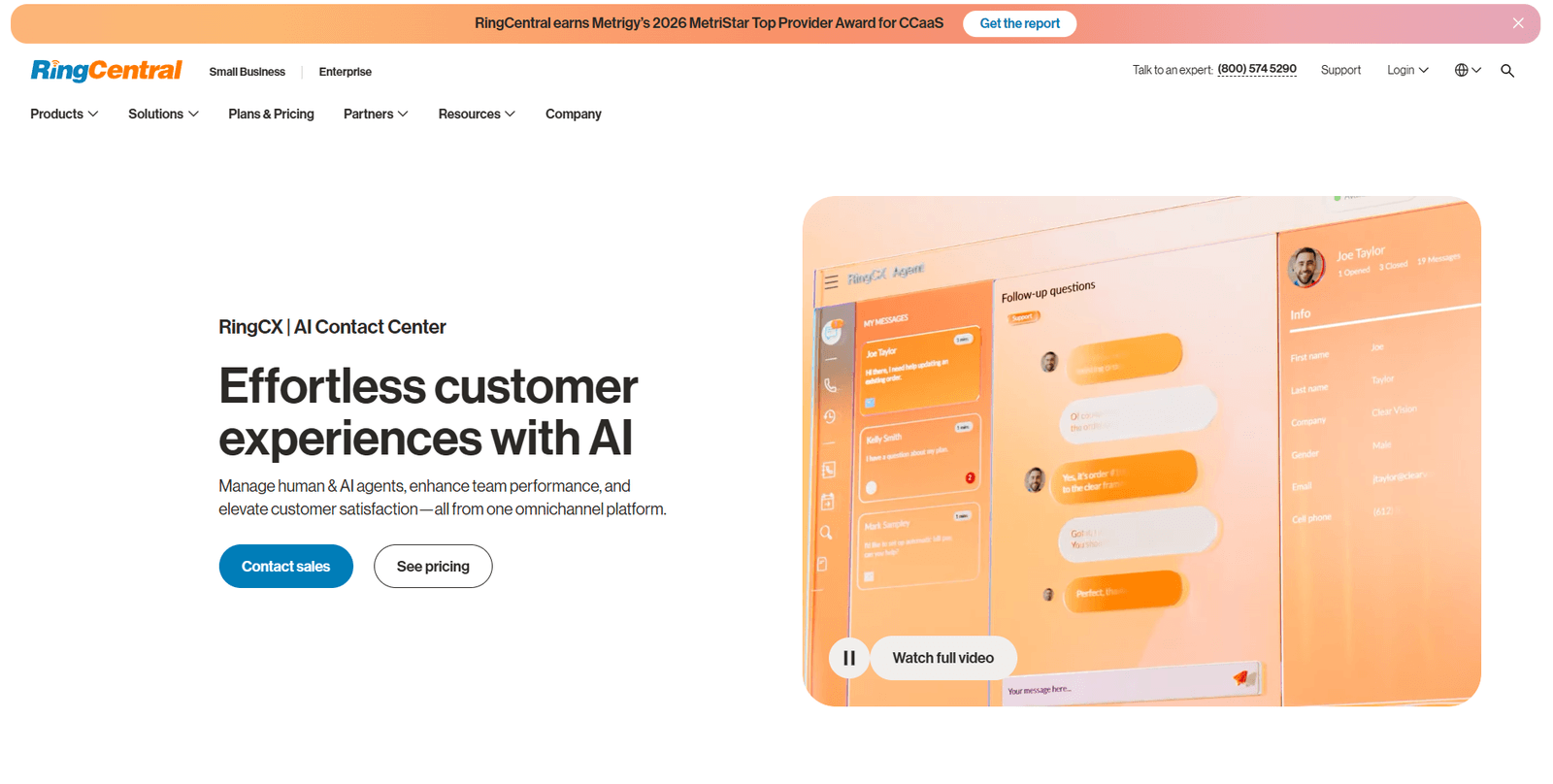
Best for: Support teams that need unified customer communication.
What it does
RingCX focuses on customer service rather than marketing. It helps support teams manage customer conversations across phone, chat, email, SMS, and social channels from one unified workspace.
Key features
- Unified support workspace: Agents manage all customer conversations from one place
- AI assistance: Suggests responses, finds information, and summarizes conversations in real time
- Quality monitoring: Managers analyze conversations and improve support performance
Strengths
- Strong customer support workflows
- AI-powered agent assistance
- Multiple communication channels
Limitations
- Not built for marketing automation
- Limited customer journey and revenue attribution features
Best fit
- Run a customer support operation
- Need better agent productivity
- Want an AI-assisted service environment
8. Genesys Cloud CX: Best Enterprise Contact Center Platform
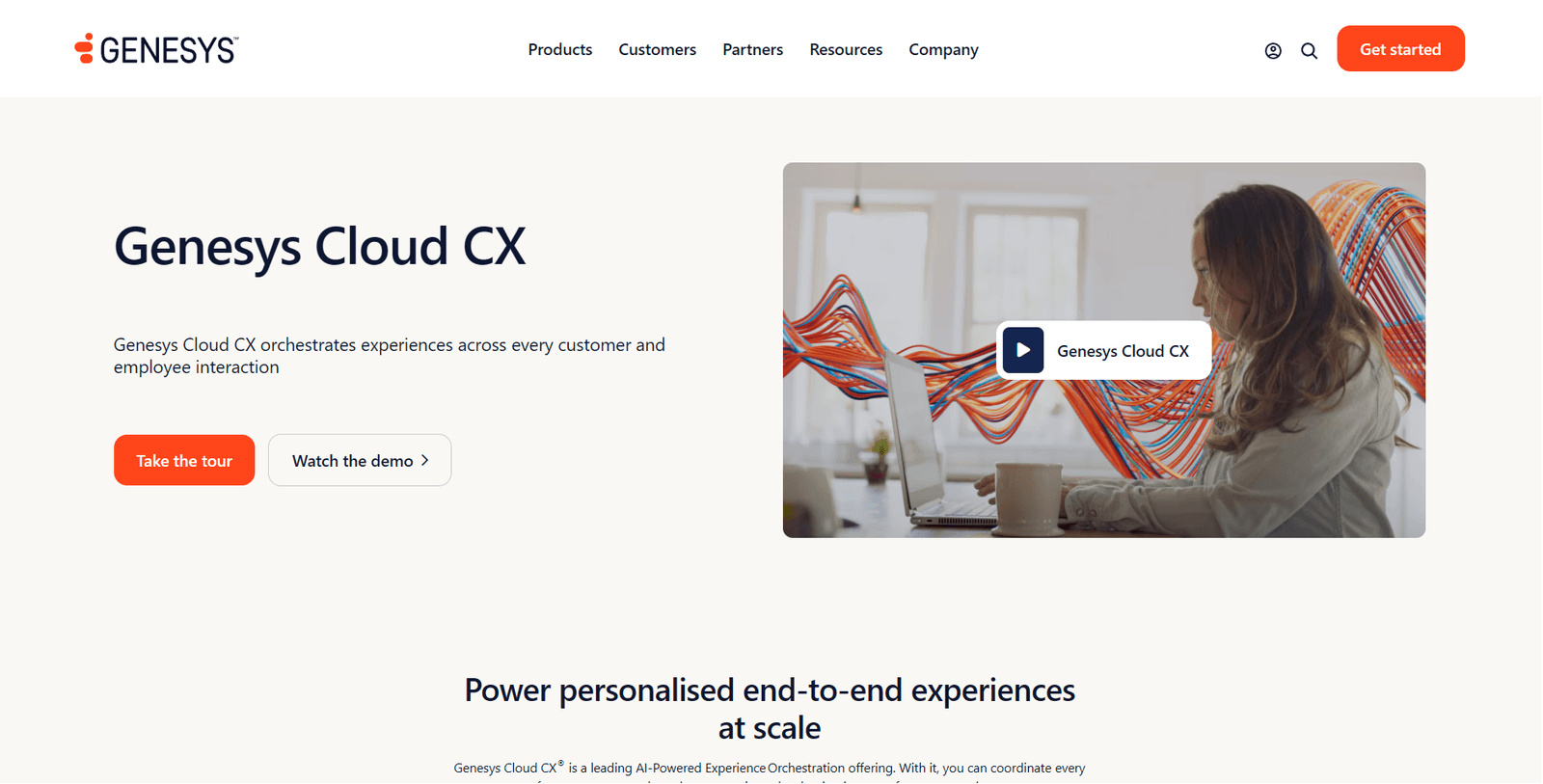
Best for: Large organizations with complex customer service operations.
What it does
Genesys Cloud CX helps enterprises manage customer interactions at scale. It combines contact center tools, customer communication, workforce management, and analytics into one platform.
Key features
- Omnichannel support across voice, chat, email, and messaging channels
- Workflow management with routing rules based on customer type, request type, and agent skills
- Analytics for customer satisfaction, agent performance, and contact trends
Strengths
- Enterprise-grade infrastructure
- Highly customizable
- Strong contact center capabilities
Limitations
- Requires technical expertise
- Too complex for smaller teams
Best fit
- Manage large customer support teams
- Need advanced routing and reporting
- Have enterprise requirements and dedicated technical staff
9. NICE CXone: Best for Regulated Industries
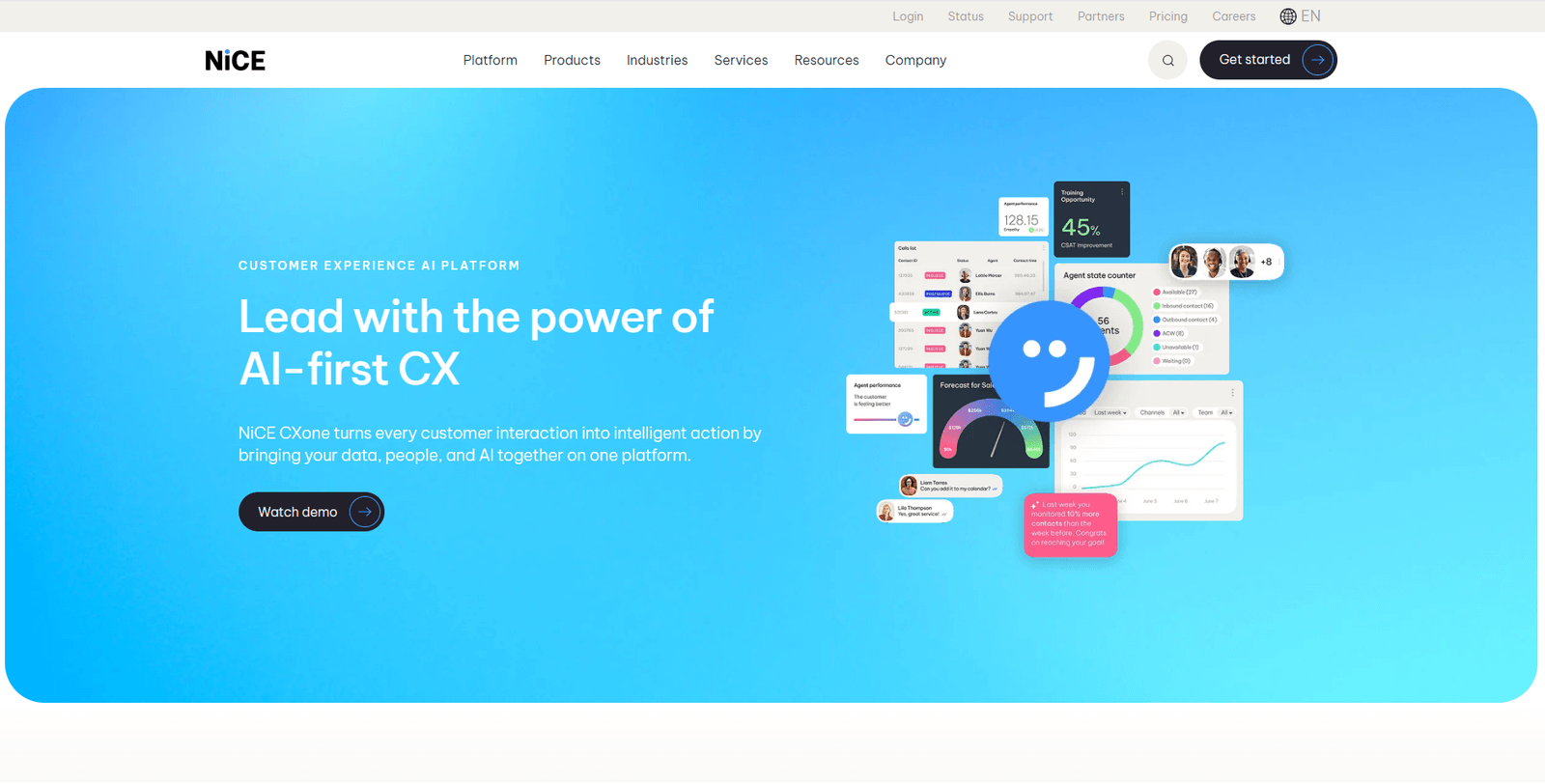
Best for: Finance, healthcare, insurance, and compliance-heavy industries.
What it does
NICE CXone provides customer service tools with strong compliance and security features. It helps companies manage customer interactions while maintaining regulatory standards across voice, digital messaging, chat, and email.
Key features
- Customer interaction management across voice and digital channels
- AI support tools for agent recommendations, conversation analysis, and customer insights
- Compliance features including call recording, quality monitoring, and risk detection
Strengths
- Strong compliance capabilities
- Enterprise security
- Advanced analytics
Limitations
- Expensive for teams without strict compliance needs
- Feature set is more than most mid-market companies require
Best fit
- Work in regulated industries like finance or healthcare
- Need security and governance built in
- Manage large support operations with compliance requirements
10. Qualtrics: Best Customer Feedback and Experience Platform
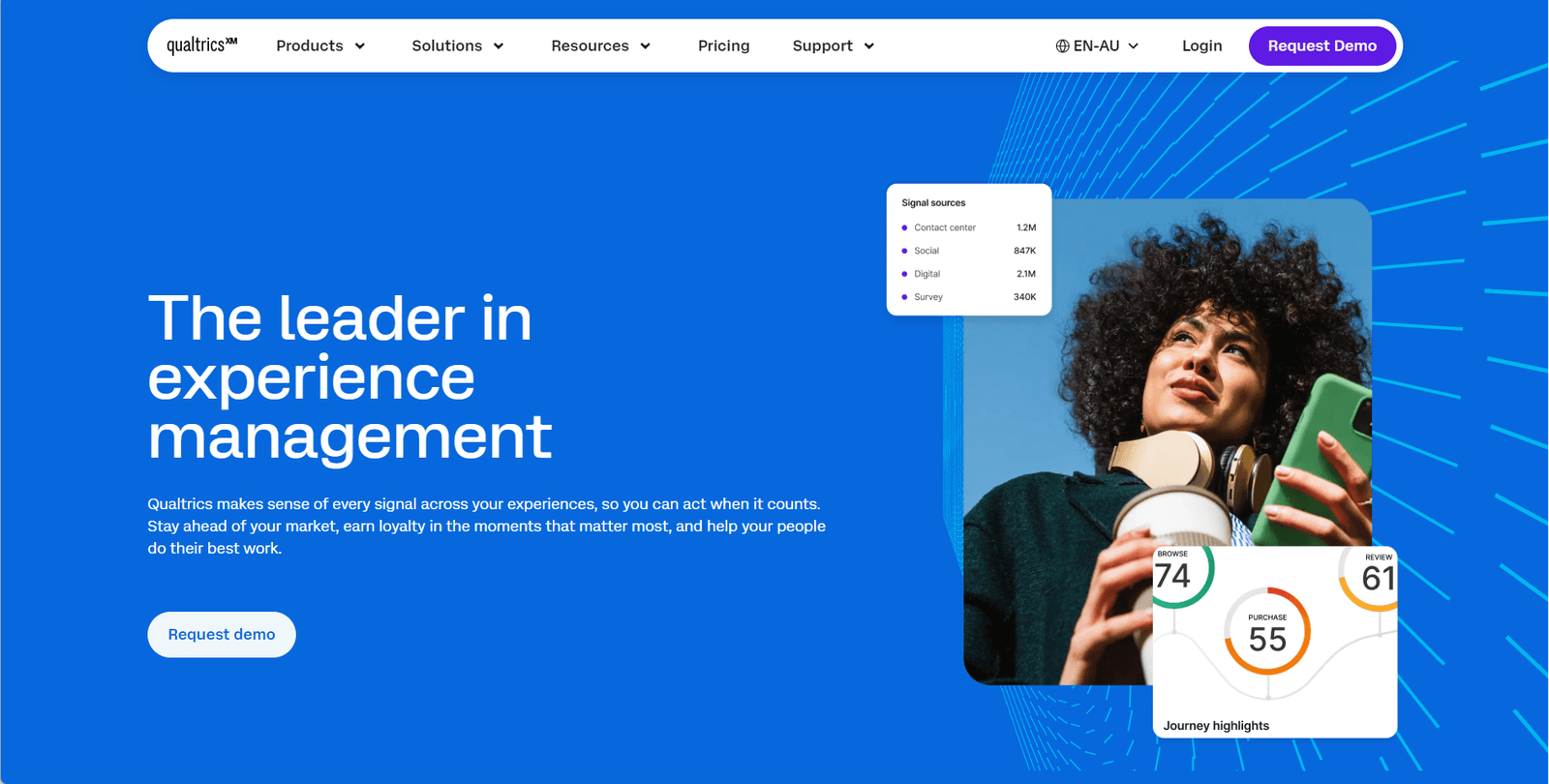
Best for: Companies focused on understanding customer sentiment.
What it does
Qualtrics helps companies collect and analyze customer feedback. It focuses on understanding customer satisfaction, customer opinions, and experience trends through surveys, reviews, and feedback forms.
Key features
- Customer surveys across multiple collection formats
- Sentiment analysis that identifies common complaints, positive experiences, and customer trends
- Experience analytics to find areas affecting retention, satisfaction, and loyalty
Strengths
- Excellent customer research capabilities
- Strong feedback analytics
- Enterprise experience management
Limitations
- More focused on insights than execution
- Requires another tool for running campaigns based on findings
Best fit
- Need customer research and Voice of Customer programs
- Want deeper insights into customer sentiment before acting
- Run experience management programs at scale
11. OneSignal: Best Affordable Messaging Platform
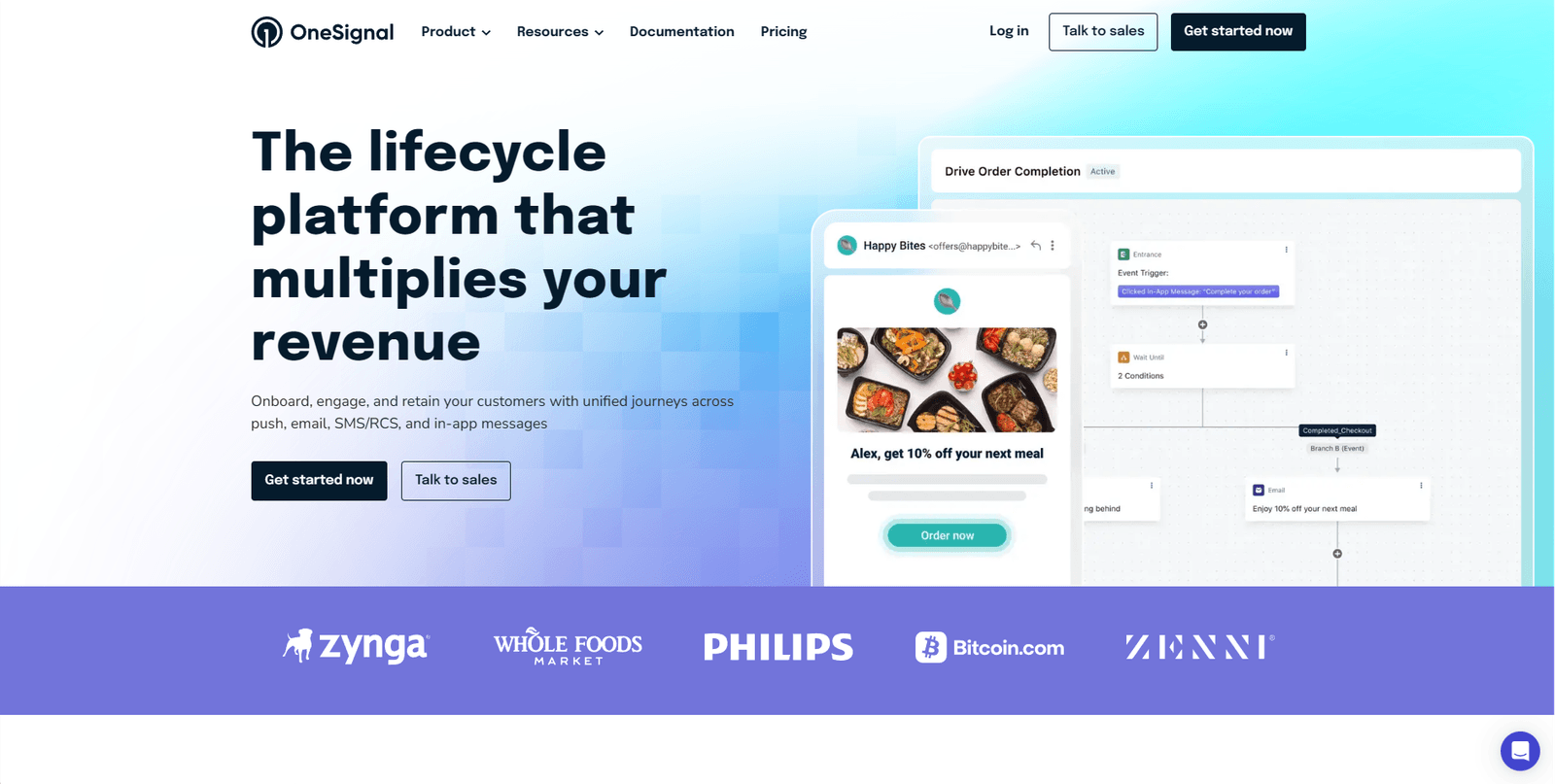
Best for: Startups and teams that need simple notifications.
What it does
OneSignal helps companies send notifications across mobile apps, websites, and email. It is mainly known for push notifications and is a popular choice for early-stage teams that need low-cost messaging infrastructure.
Key features
- Push notifications for product updates, promotions, alerts, and reminders
- Basic segmentation by activity, preferences, and behavior
- Simple automation for basic messaging workflows
Strengths
- Affordable with a free tier available
- Easy setup
- Good for push notifications
Limitations
- Not a full customer engagement platform
- Limited personalization
- Fewer advanced journey features
Best fit
- Need simple notifications
- Are early-stage and want low-cost messaging infrastructure
- Do not yet need advanced personalization or journey orchestration
12. Customer.io: Best Developer-Friendly Engagement Platform
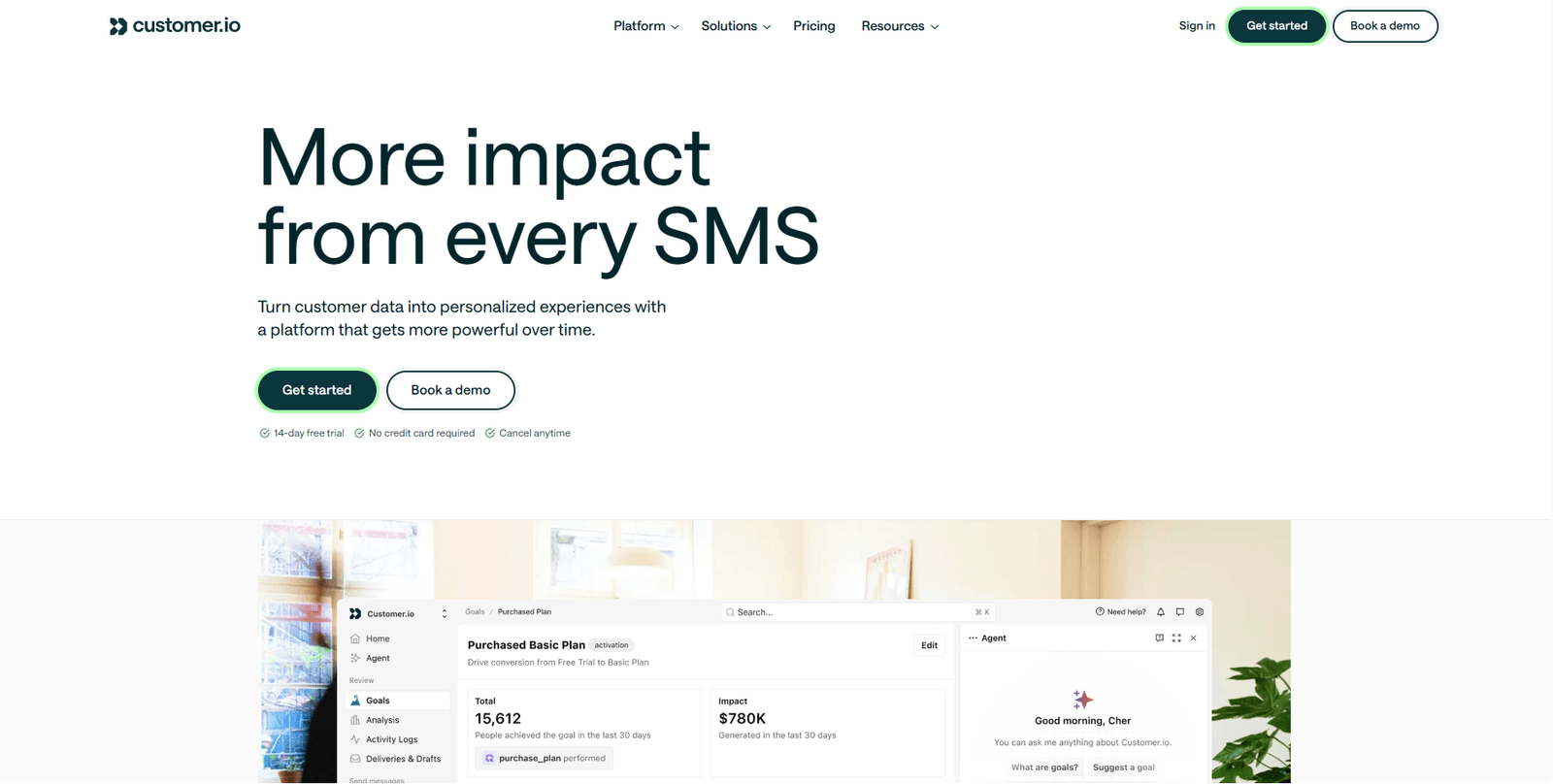
Best for: SaaS companies with technical teams.
What it does
Customer.io helps teams create personalized messaging using customer data. It is designed for companies that want more control over events, data, and workflows — users who sign up, complete onboarding, use a feature, or become inactive can all trigger specific messaging sequences.
Key features
- Event-based messaging triggered by signing up, using a feature, completing an action, or becoming inactive
- Advanced workflows for complex customer journeys
- Developer tools including APIs, webhooks, and custom data events
Strengths
- Flexible workflows
- Developer-friendly
- Strong automation logic
Limitations
- Requires technical knowledge to get full value
- Less beginner-friendly for marketers without engineering support
Best fit
- Have engineering support for setup and maintenance
- Need advanced control over events and messaging logic
- Build data-driven SaaS customer journeys
How to Choose the Right Platform
| Platform | Choose it if you need... | Best suited for |
|---|---|---|
| Intempt | One platform combining customer data, AI insights, personalization, automation, and analytics | Mid-market teams looking to replace multiple disconnected tools |
| Braze | Complex customer journeys and enterprise-grade engagement | Large enterprises with dedicated CRM and engineering teams |
| CleverTap | Mobile-focused engagement and retention workflows | Apps, fintech, gaming, and mobile-first businesses |
| Klaviyo | Ecommerce email and SMS marketing | Shopify and DTC brands |
| MoEngage | Customer insights and automated engagement campaigns | Growing brands focused on retention and personalization |
| Insider | Website personalization and AI-driven recommendations | Ecommerce, retail, and travel companies |
| RingCX / Genesys / NICE CXone | Customer support operations across voice and digital channels | Contact centers and service teams |
| Qualtrics | Customer feedback, surveys, and experience research | Companies running Voice of Customer programs |
| OneSignal | Affordable notifications and simple messaging | Startups needing push notifications |
| Customer.io | Developer-controlled workflows and advanced messaging logic | SaaS teams with engineering resources |
Conclusion
The best omnichannel customer engagement platform depends on your business needs, not the number of features a tool offers.
Enterprise teams may need platforms like Braze, Genesys, or NICE CXone for complex operations. Ecommerce brands may prefer Klaviyo, while mobile-first companies may benefit from CleverTap.
For teams looking to unify customer data and segmentation, AI, automation, personalization, and analytics in one place, platforms like Intempt provide a more complete approach by reducing tool complexity and creating a connected customer journey.
Before choosing a platform, focus on your biggest challenge: fragmented data, poor personalization, limited automation, or unclear revenue impact. The right platform should solve that problem and help your team grow faster.
Frequently asked questions. Answered.
An omnichannel customer engagement platform is software that unifies customer data, messaging, automation, personalization, and analytics in one place. Instead of managing email, SMS, push notifications, and web channels with separate tools, teams can manage everything from a single system and deliver consistent experiences across every touchpoint.
Multichannel means being present on multiple channels — email, SMS, push, web — but each channel operates independently with its own data. Omnichannel means those channels share a single customer profile, so messaging is coordinated and consistent. A customer who browses on mobile, clicks an email, and buys on desktop is recognized as the same person throughout their journey.
The most important factors are: whether it creates a unified customer profile across channels, which channels it natively supports, how AI helps teams act on data rather than just report it, whether marketers can launch campaigns without heavy engineering support, and whether you can measure revenue impact — not just engagement metrics.
Yes. Intempt is built for mid-market teams that want to replace fragmented stacks of CDPs, engagement tools, analytics platforms, and personalization layers with one connected system. It supports both B2B and B2C use cases through unified customer profiles, AI-powered journey automation, and cross-channel campaigns across email, SMS, push, and web.
It depends on the platform. Klaviyo, MoEngage, and Intempt are designed so marketers can launch campaigns without ongoing engineering support after initial setup. Braze, Genesys, and Customer.io typically require technical resources for advanced use cases. The right choice depends on your team's technical capacity and how complex your journeys need to be.

About the author
Harish Kumar
Growth Marketer
Harish writes long-form content on SaaS growth, user onboarding, and marketing automation. He specializes in helping product and lifecycle teams improve activation rates and reduce early churn.
LinkedIn