
Use AI-driven A/B testing to identify revenue leaks, auto-generate winning variants, and continuously optimize your Shopify store for higher conversions and profit.
About the Growth Play
Most Shopify stores convert only 2-3% of the traffic. Out of 100 people who visit, only two or three usually buy. Many owners think they need more traffic to grow.
That is not always true. If you raise your conversion rate from 3% to 5%, your revenue can almost double without spending more on ads.
The fastest way to improve conversion is testing. Not guessing. Not copying competitors. Testing.
That is where Intempt helps. Its AI-powered experiments let you compare page versions and automatically show which one brings more buyers.
This guide explains everything, step by step, from basics to advanced strategies, so you can build a testing engine that keeps improving your store every week.
TLDR
- Run experiments on your most visited pages
- Test offers, pricing, copy, and trust elements
- Split visitors evenly across page versions
- Let AI measure performance automatically
- Scale winners using personalization
- Track revenue lift, not just conversion rate
- Run one clean test at a time
Why conversion rate matters more than traffic
Traffic is expensive. Ads cost more every year. But improving conversion costs nothing except time and testing.
Think of your store like a bucket. Traffic is water. The conversion rate is how many holes the bucket has. If your bucket leaks, pouring more water does not help. You fix the holes first.
Conversion rate optimization fixes those leaks. When you improve conversion, every future visitor becomes more valuable. This is why top stores invest heavily in testing systems.
The three biggest reasons stores do not convert
Almost every low-converting store struggles with one of these problems.
Your offer is not clear
Visitors land on a page and cannot understand why they should buy now. If they must think too hard, they leave.
People decide fast online. Within seconds, they look for value signals. If they do not see one, they move on.
Strong offers remove that hesitation. Examples of offers you can test include free shipping, limited-time deals, guarantees, bundles, or bonuses. The product stays the same, but the message changes. That alone can change results dramatically.
Your price is based on guessing
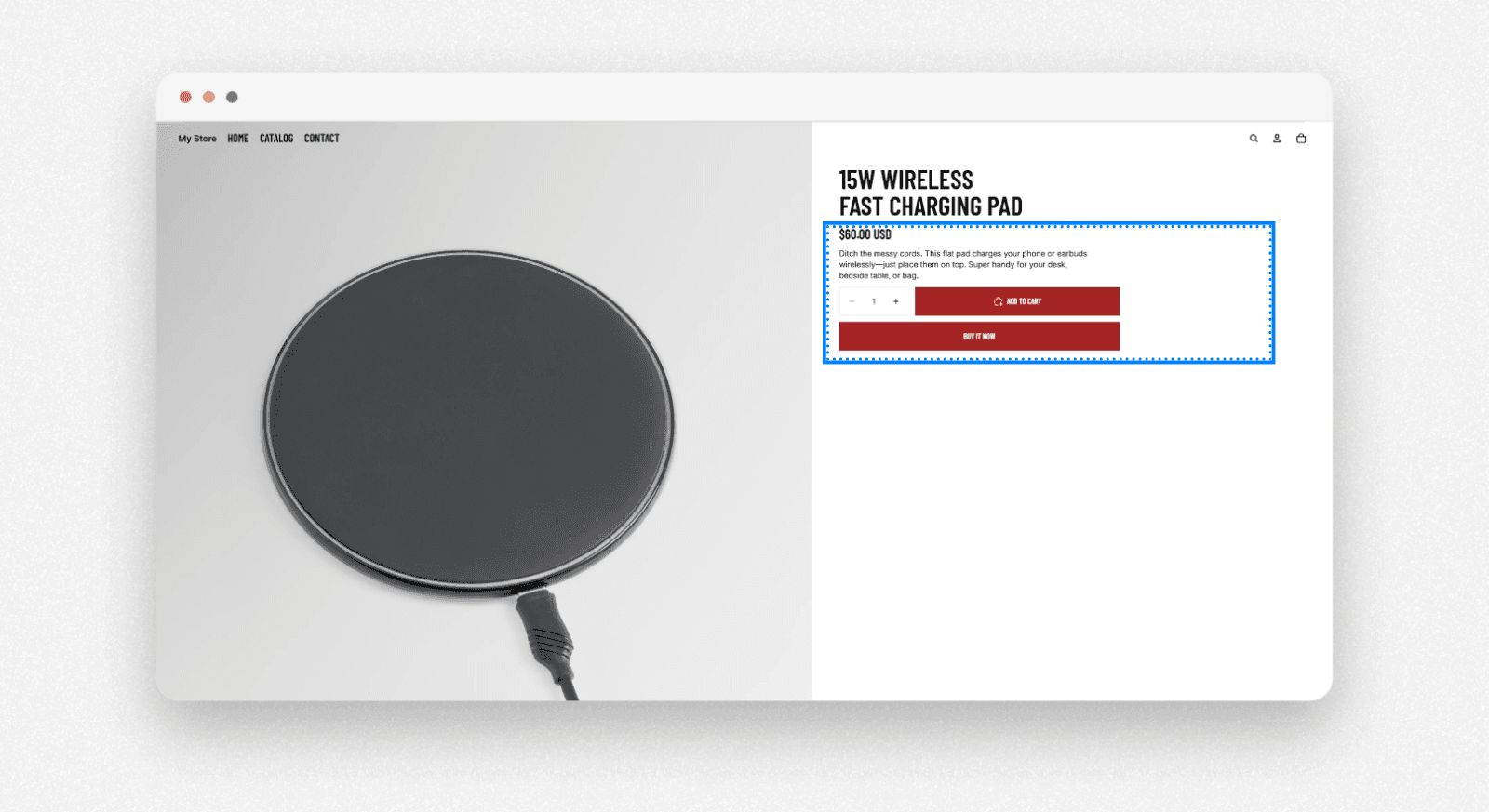
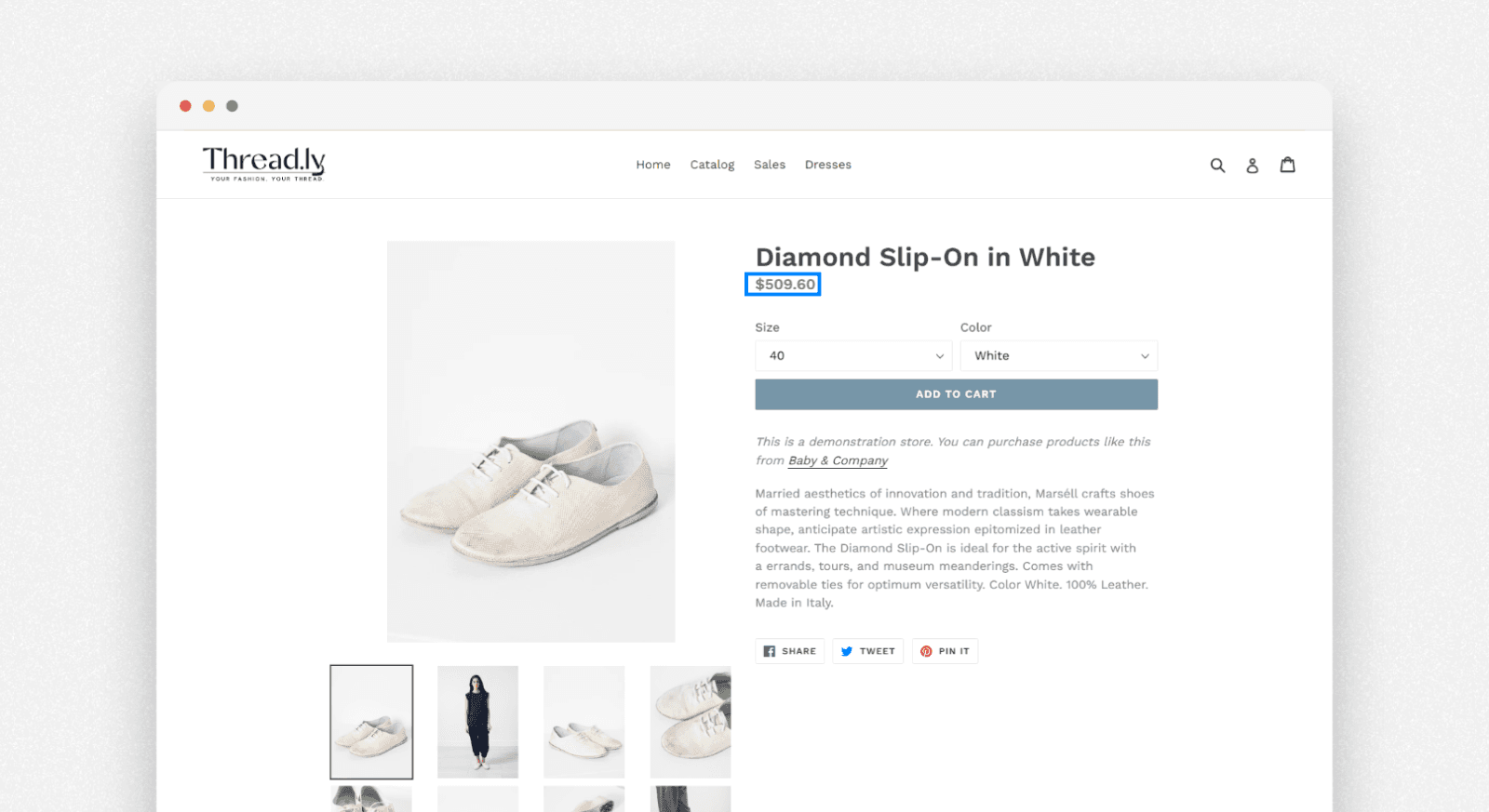
Pricing is one of the strongest psychological triggers in e-commerce. Yet many stores pick a price once and never test it again.
A small price change can shift perception. A lower price may increase purchases but reduce profit. A higher price may lower conversions but increase trust and revenue.
Testing different price points helps you find the balance between volume and profit. Data shows which price actually works instead of relying on assumptions.
Your page has friction
Friction is anything that creates doubt. Visitors hesitate when they do not trust your brand or do not understand your product.
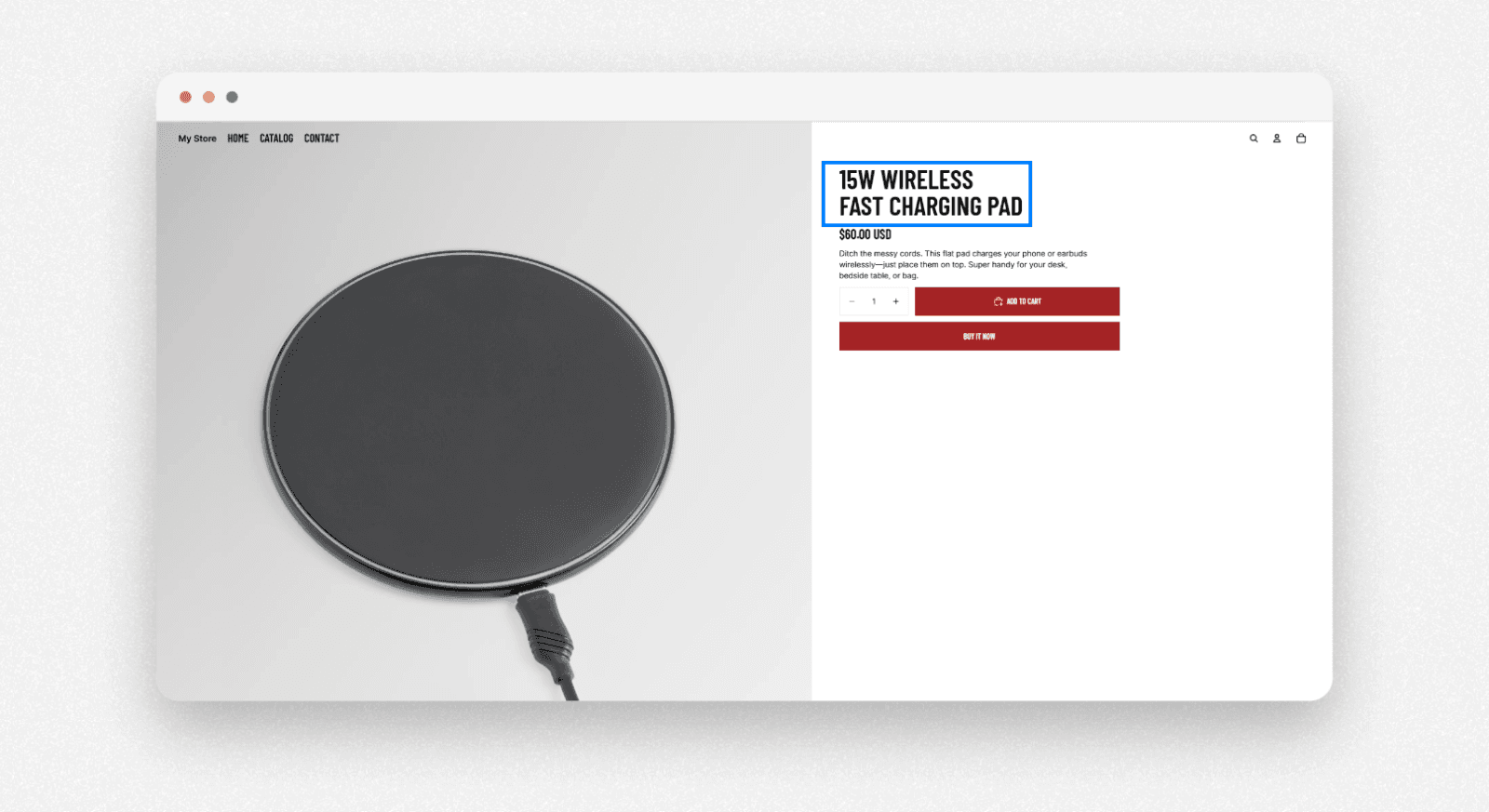
Common friction points include unclear descriptions, weak headlines, missing reviews, poor images, and confusing buttons.
Each of these can be tested. A clearer headline might double conversions. Moving reviews higher on the page can increase trust. Changing a button label can increase clicks. Small details matter because they shape confidence.
How to A/B Test Using Intempt?
Below are the simple steps you can follow to quickly set up your first A/B test without coding.
Step 1: Connect your store and track data
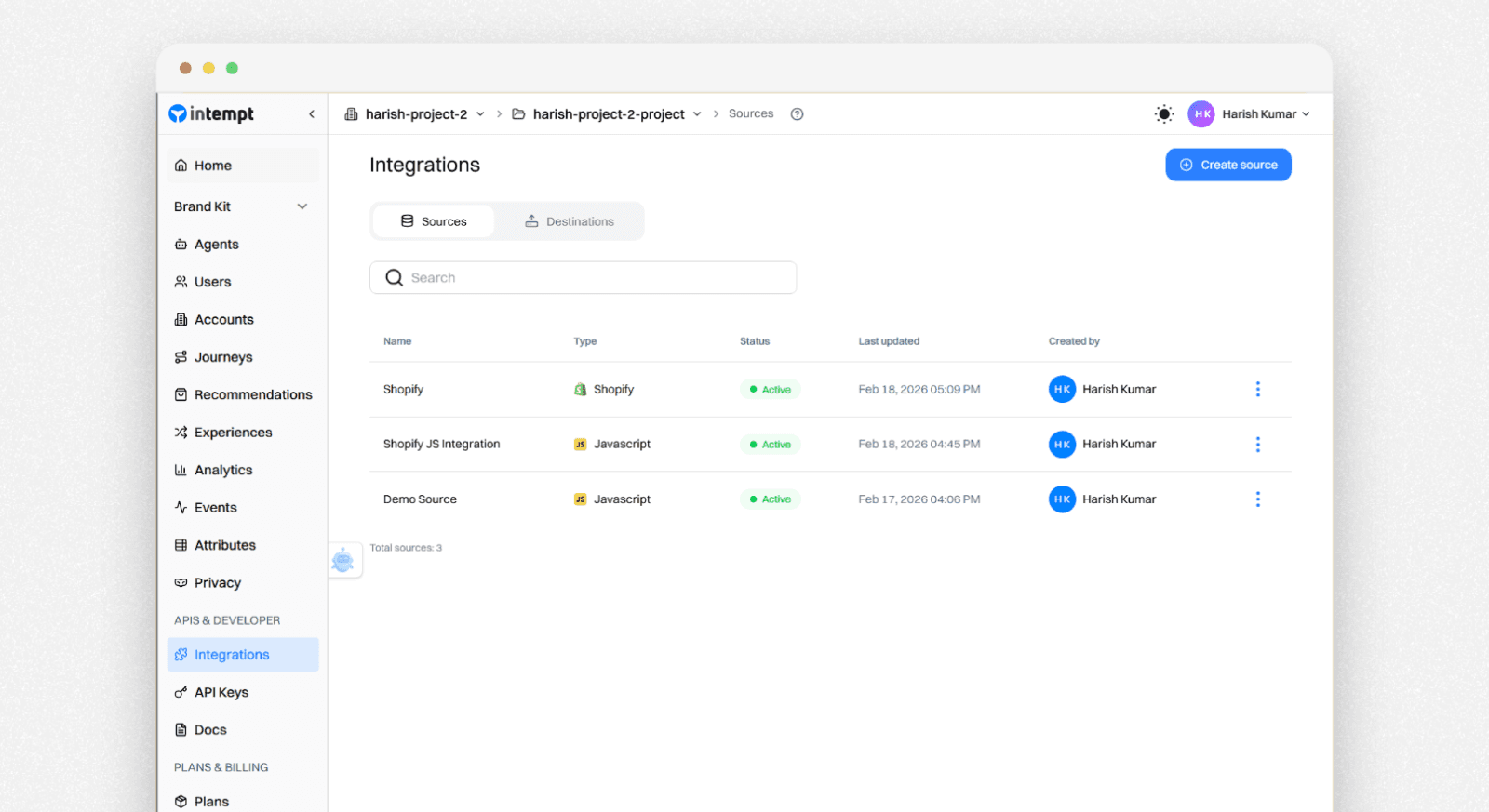
Start by connecting your Shopify store to Intempt. Once connected, the system automatically pulls product data, customer behavior, and order activity.
You should track key events such as product views, cart adds, checkout starts, and purchases. These events help the system determine which version of your page drives real sales rather than just clicks.
Make sure your product data is accurate. Prices, stock, and titles must match your store. Clean data leads to reliable results.
Capturing visitor emails early also helps. Identified users allow deeper analysis because you can track their journey across sessions.
Step 2: Choose the right page to test
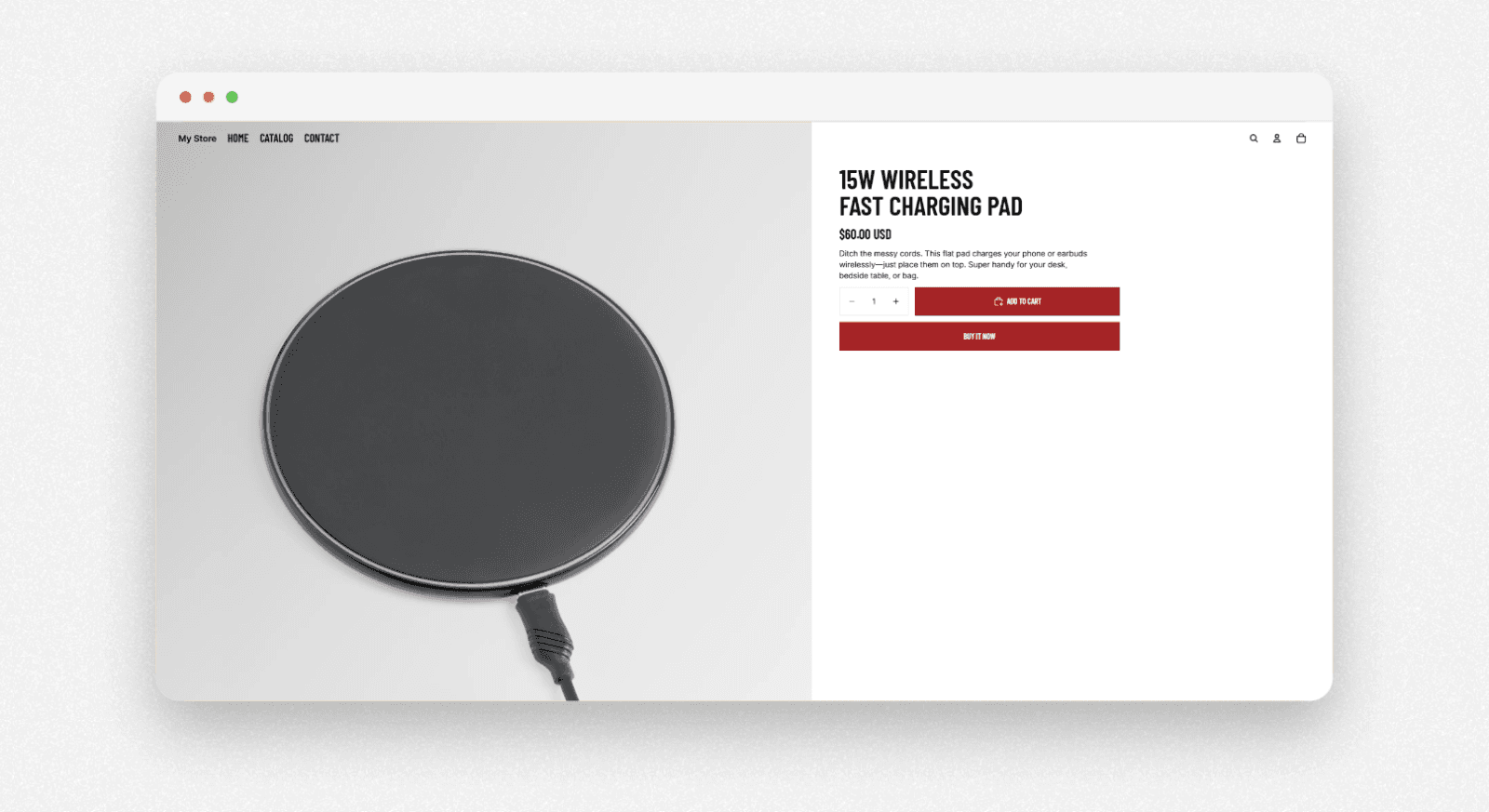
Not all pages should be tested first. Begin with pages that already receive traffic. Testing a page with few visitors will take too long to produce results.
High-impact pages usually include product pages, category pages, homepages, and cart pages. Product pages are often the best starting point because they sit closest to purchase.
Choose one page and focus on it. Testing too many pages at once spreads your data thin and slows learning.
Step 3: Create your first experiment
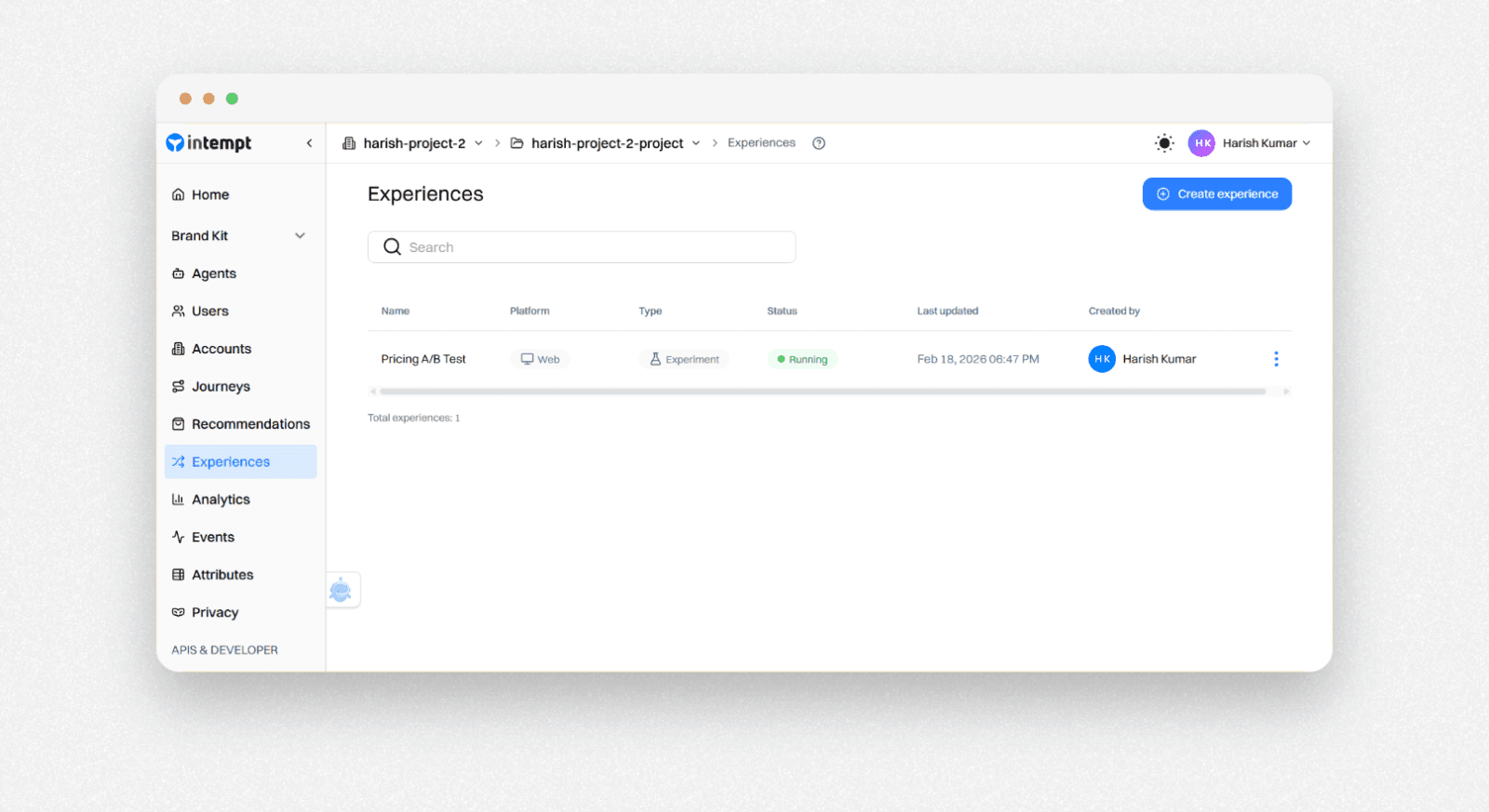
Open the visual editor and edit the element you want to test. You do not need coding skills. You can click directly on text images or buttons and change them.
For your first test choose something high impact. Pricing is a strong starting point because it directly affects buying decisions. You can create multiple versions with different prices and compare results.
Always rename each variant clearly. Clear labels help you understand reports later and avoid confusion when you run many tests.
Step 4: Understand variants
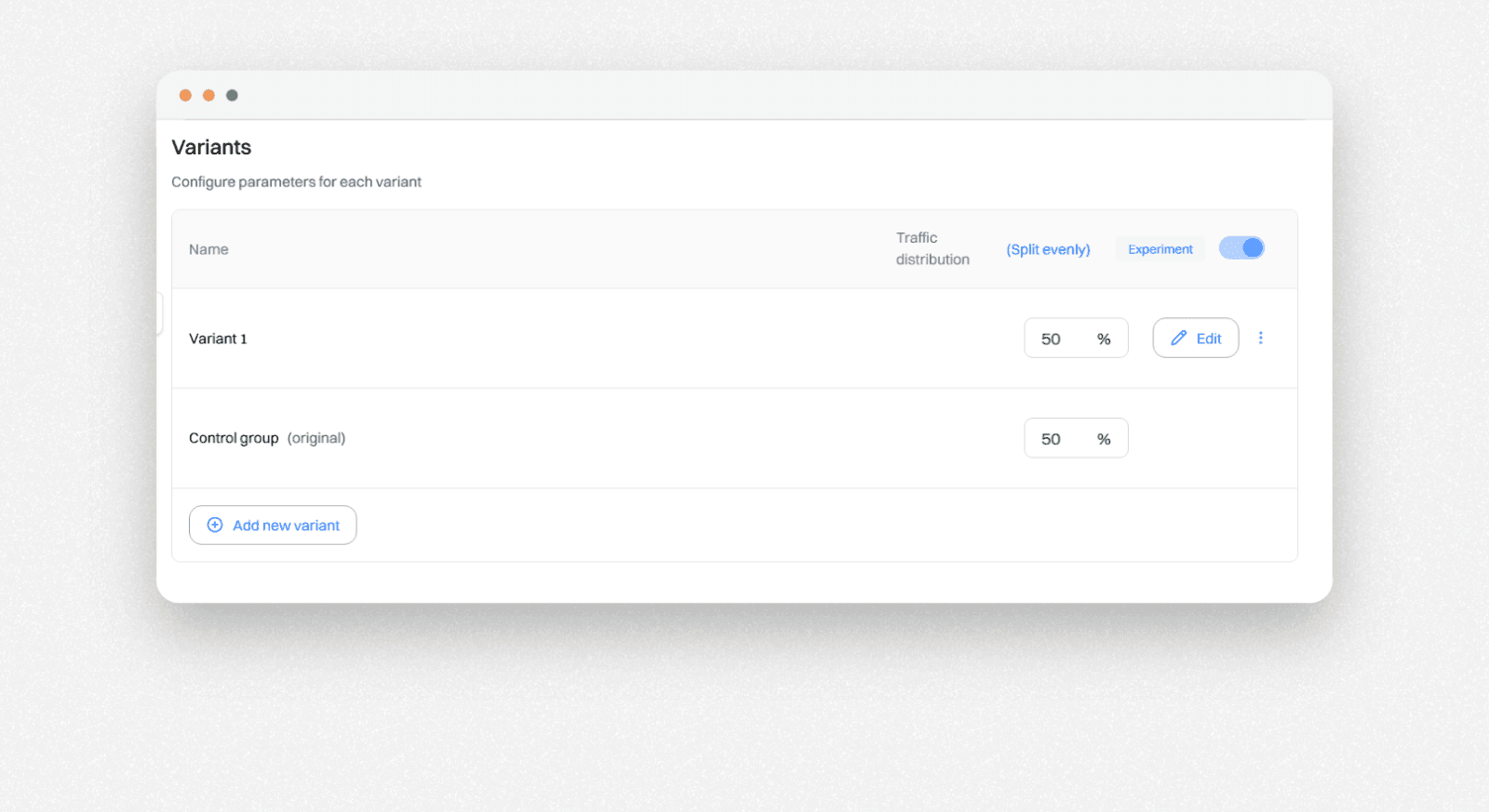
A variant is simply a different version of your page. Your original page is called the control. New versions are variants.
When you run a test, visitors are split between the control and variants. The system tracks which version produces more conversions and revenue.
Testing is really just a question. Which version performs better. The answer comes from real user behavior.
Step 5: Split traffic properly
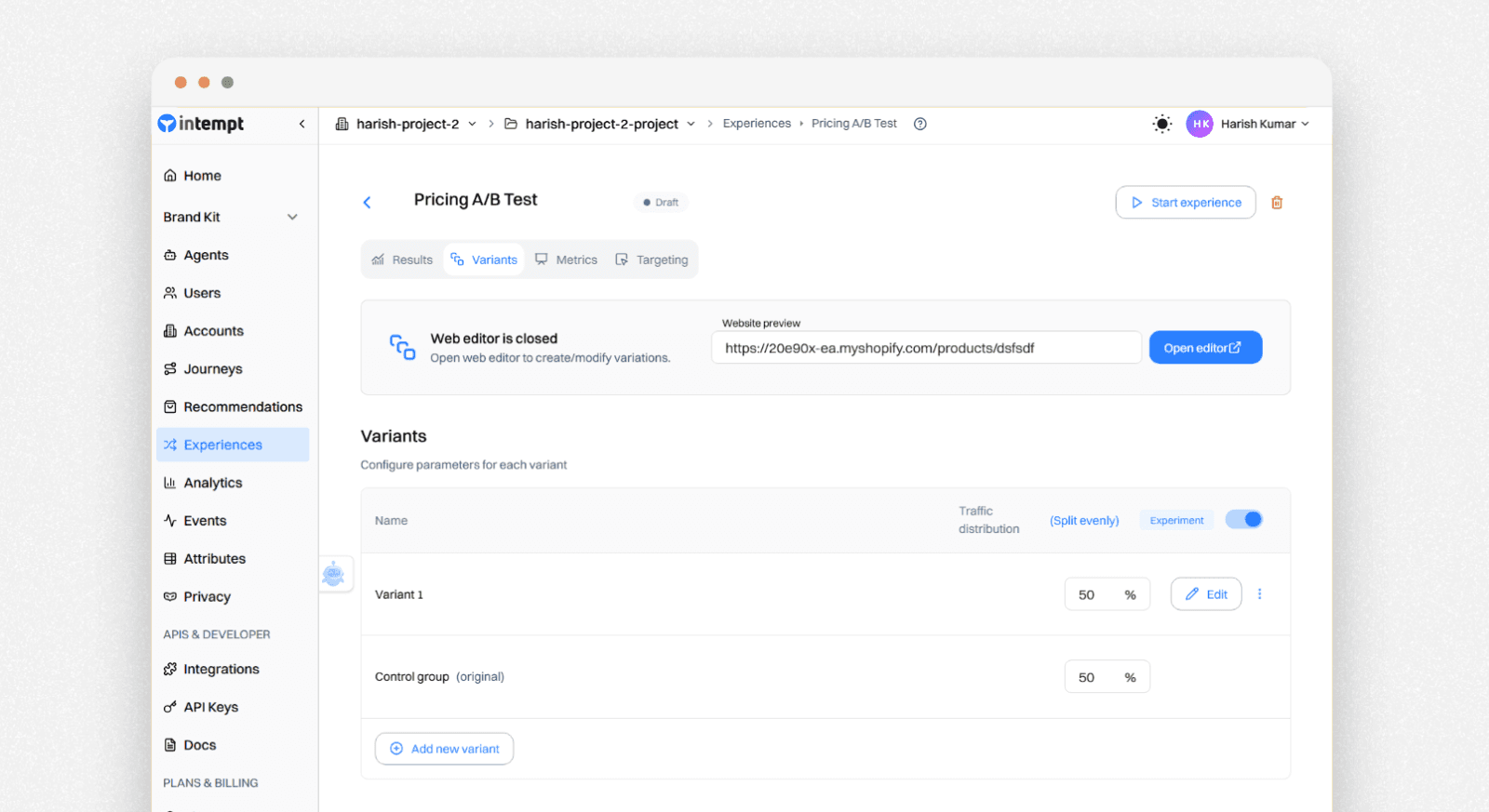
Traffic distribution decides how many visitors see each version. In most cases, you should split traffic evenly between versions. This keeps the test fair.
For example, if you have one control and two variants, divide traffic roughly into thirds. Balanced splits ensure each version gets enough data.
Uneven splits are useful only in advanced testing when you already know one version performs better and want to send more traffic to it.
Step 6: Launch and let it run
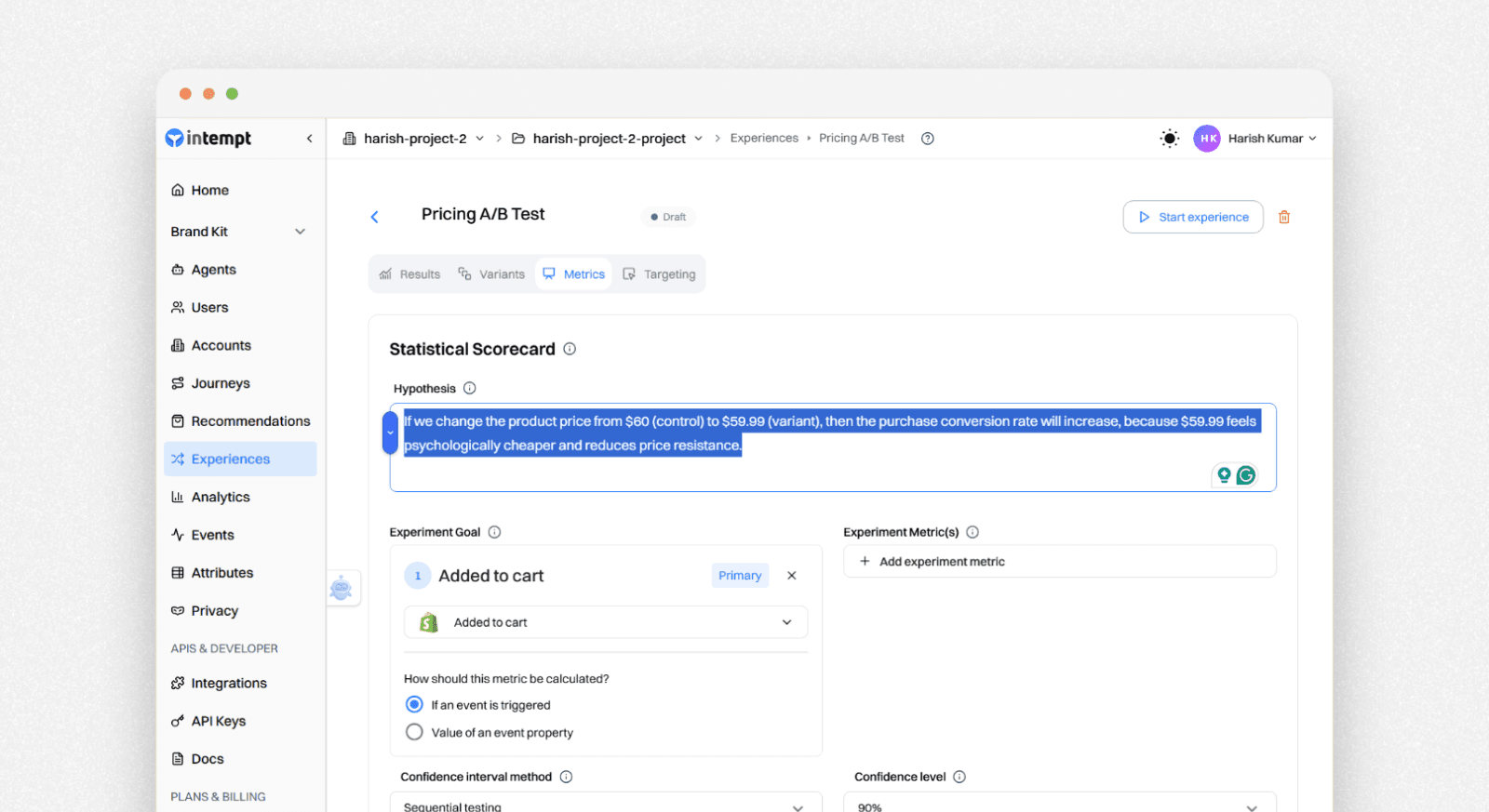
After setup you can start the experiment. The system automatically assigns visitors to versions and keeps them in the same version during their session. This keeps data accurate.
Patience is important. Do not stop tests early because of small differences. Wait until you have enough visitors for reliable results. Ending tests too soon leads to false winners.
What you should test first
Start with changes that affect buying decisions directly. These usually produce the biggest gains.
- Offer messaging
- Price points
- Shipping messages
- Guarantees
- Trust badges
- Product images
- Call to action text
Design color changes or font tweaks usually have a smaller impact. Focus first on value signals because they influence decisions the most.
Rules for strong testing
- Change only one element at a time to know what worked
- Run tests long enough for full buying cycles (7-14 days)
- Avoid editing tests after launch (resets data)
- Keep notes on every experiment to build customer insights over time
Guardrails to protect data
Never test during big sales events or holidays because customer behavior is unusual during those times. Avoid running multiple tests on the same page simultaneously since results may overlap.
Exclude returning buyers when testing offers meant for new visitors. Pause experiments if tracking breaks or if your site performance slows. Accurate data matters more than fast results.
How to Analyze Results Correctly
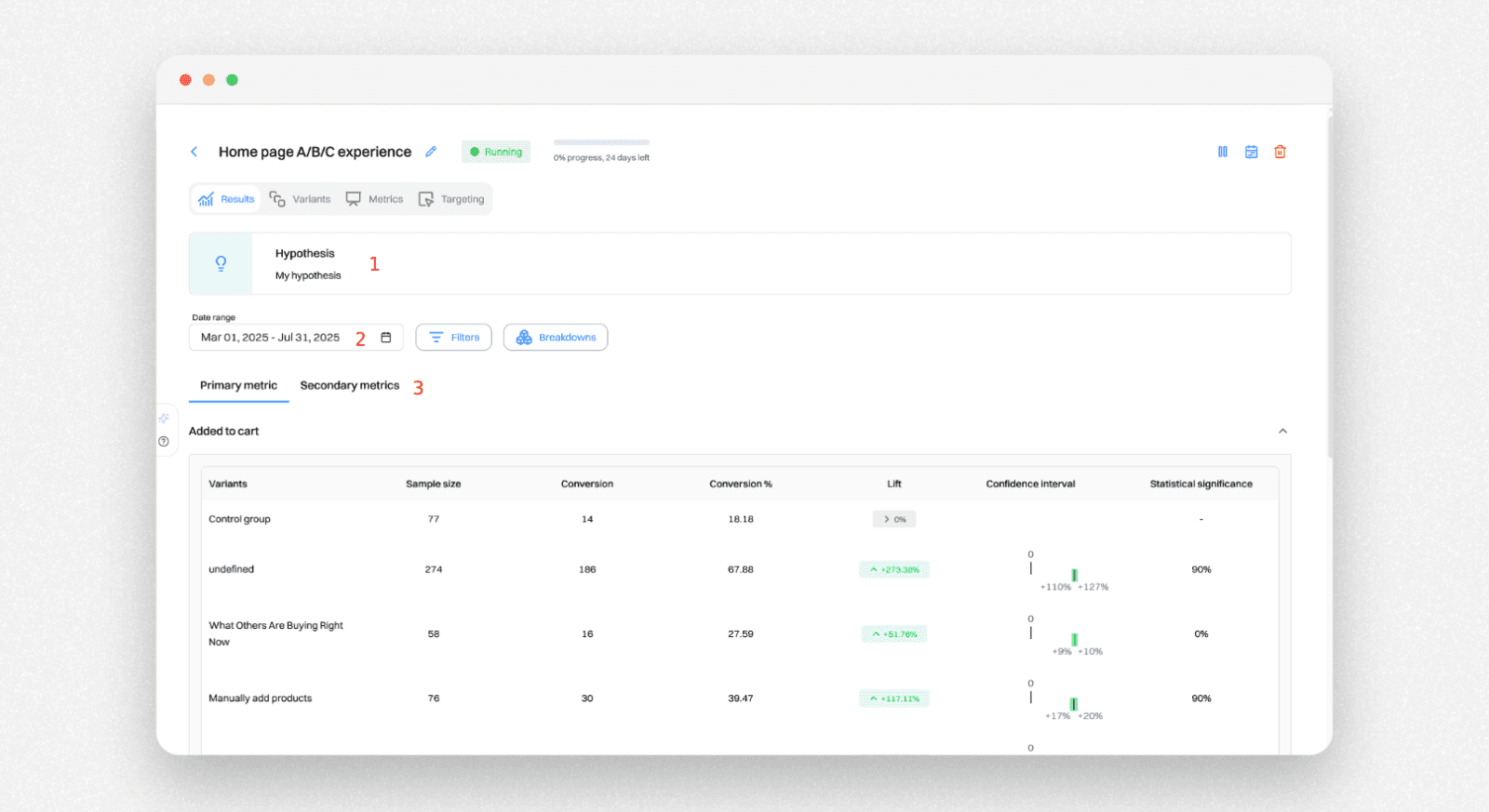
Once your test has enough data, it's time to analyze the experiment, go to the results, and focus on the numbers that actually matter:
| Metric | What It Means |
|---|---|
| Visitors (sample size) | How many people saw each version |
| Conversions | How many people completed the goal |
| Revenue lift | How much more (or less) money that version made |
| Confidence/significance | Whether the result is reliable or still too early |
A higher conversion rate is nice, but it's not the real goal. The real goal is higher revenue and profit.
For example, a variant might convert more people simply because it gives a bigger discount. That can increase orders, but still reduce profit.
So don't choose winners based on clicks or conversion rate alone. Choose the version that makes the business more money, consistently.
Scaling winners with personalization
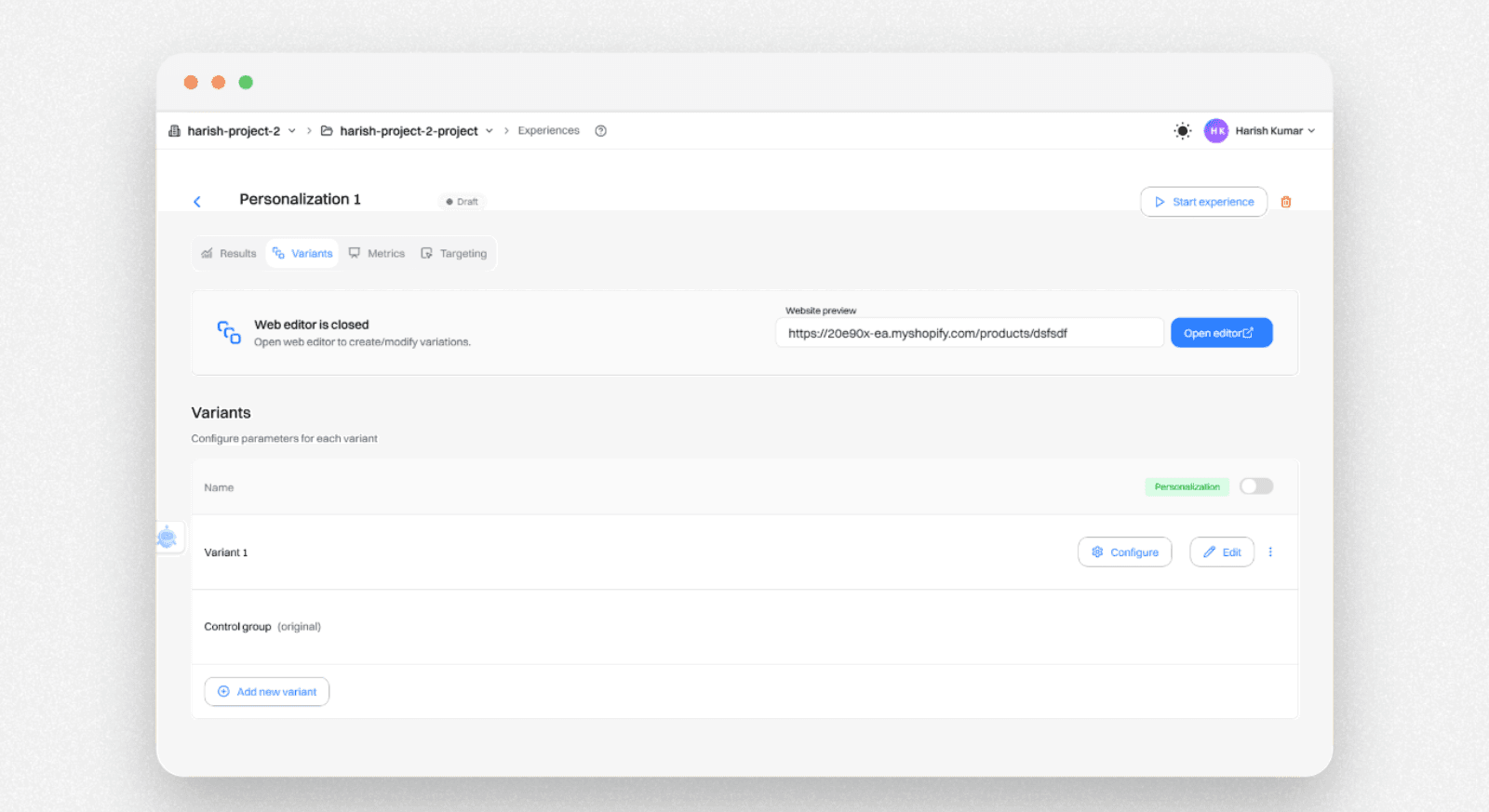
Finding a winning version is only the beginning. The real power comes from showing different winners to different people.
Personalization lets you match page versions to visitor intent. For example, you can show a stronger offer to new visitors but a premium version to returning customers. You can display urgency messages to visitors who viewed a product but did not add it to the cart.
This approach multiplies the impact of every experiment because each audience sees what works best for them.
Metrics that show real growth
After implementing winning versions, track long-term metrics. Watch conversion rate, revenue per visitor, average order value, repeat purchases, and refunds.
Comparing test groups with holdout groups helps prove whether improvements are real. This prevents false conclusions and confirms that your changes truly increased performance.
Sample monthly testing plan
- Week one test headline or offer
- Week two test price
- Week three test product layout
- Week four test trust signals
By the end of one month, you will understand your customers far better than before. After several months, you will have a system that keeps improving your store automatically.
Why AI-driven testing changes everything
Traditional testing requires manual analysis and guesswork. AI testing removes that burden. It analyzes visitor behavior patterns and quickly identifies which version performs best.
It can detect trends humans might miss. It adapts traffic distribution toward better versions. It learns continuously as more data arrives.
This turns optimization into an ongoing process instead of a one-time project.
Final thoughts
Growing an online store does not always mean chasing more visitors. Often, the biggest growth comes from converting the visitors you already have.
When you test offers, pricing, and page elements with AI, you replace assumptions with proof. Each experiment teaches you what your audience truly wants. Each winning version makes your store stronger.
Over time, your store becomes smarter with every test. That is how ordinary stores turn into high-converting machines.
Frequently asked questions. Answered.
A/B testing shows different page versions to visitors and uses real results to pick the one that sells more. Half see version A (original), half see B (change like new price)-winner becomes your new page.
1-4 weeks or 500+ visitors per version for sure results (95% confidence). Stop early, and you'll pick the wrong winners based on luck.
500-1000 visitors per version minimum. Busy product pages hit this fast; quiet pages take longer test traffic first.
Yes, $49 vs $59 often shows what your buyers trust. Higher can mean fewer sales but more profit per order.
Revenue. A page with 5% more buys but big discounts loses money. Pick steady profit makers.
Yes, Intempt's click editor lets you change text/buttons/images in minutes. No devs needed.
90% flop from tiny samples, multiple changes at once, or testing low-traffic pages. One tweak, enough people, busy page wins.
Product page price or CTA ("Add to Cart" vs "Buy Now - Free Ship"). Quick 10-30% lifts are common.
95%+ means the winner is likely real (not chance). Below 90%? Keep running-too early.
Yes, mobile converts 1.2% vs desktop 1.9%. Test phone buttons/images first.

About the author
Harish Kumar
Growth Marketer
Harish writes long-form content on SaaS growth, user onboarding, and marketing automation. He specializes in helping product and lifecycle teams improve activation rates and reduce early churn.
LinkedIn